
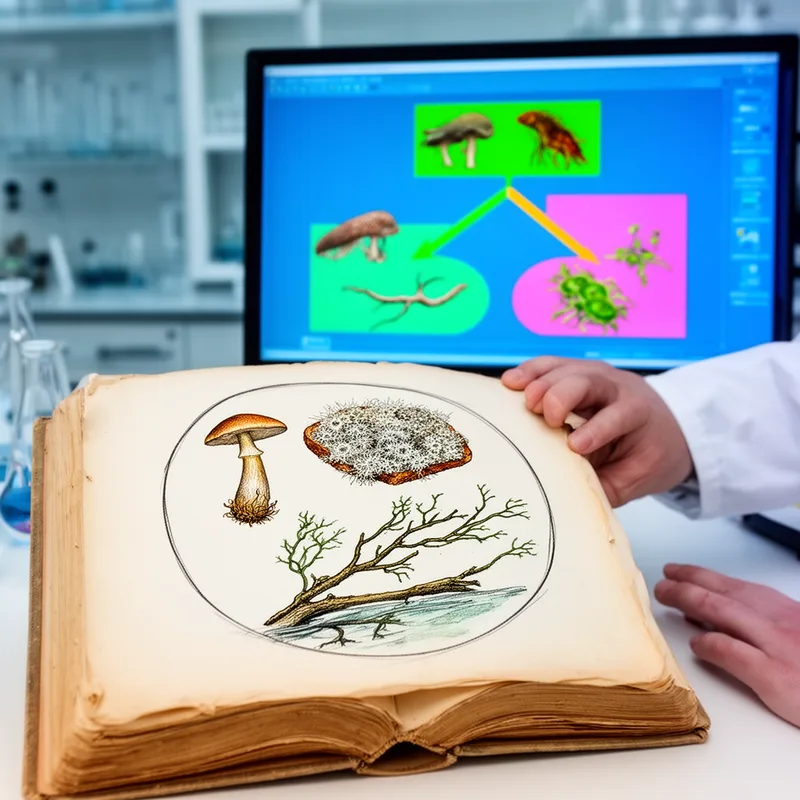
Phycomycetes group
- noun
- /faɪkoʊˈmaɪsiːtiːz ɡruːp/
- Archaic
- Older textbooks reference the Phycomycetes group, although this classification is rarely used today.
Examples
-
The Phycomycetes group once included many water molds now classified elsewhere.
-
The Phycomycetes group includes organisms that were once classified as fungi.
-
Recent studies have shown that the Phycomycetes group is polyphyletic and obsolete in modern taxonomy.
-
Many scientists no longer recognize the Phycomycetes group in modern taxonomy.
-
Older textbooks reference the Phycomycetes group, although this classification is rarely used today.
-
Recent studies have shown that the Phycomycetes group is polyphyletic and obsolete in modern taxonomy.
-
Many scientists no longer recognize the Phycomycetes group in modern taxonomy.
Synonyms

A former group of fungi and similar organisms that scientists no longer use
Surface Forms
Morphology
If a learner knows 'Phycomycetes' (an old classification of certain fungi) and 'group' (a set or category), the phrase simply denotes the category or grouping of those organisms. This is a straightforward compositional taxonomic noun phrase: although the headword is technical, its meaning is directly derivable from its constituents.
Etymology
Phycomycetes group comes from old Greek parts phyco and mycetes, meaning 'seaweed' and 'fungus', because many of these living things were found in water or looked like seaweed. So, the name reflects a simple, old way to group water molds and similar fungi, but it is now an outdated classification no longer used by scientists.

