

Phycomycetes
- noun
- /faɪkoʊˈmaɪsiːtiːz/
- Archaic
- Many older textbooks classify water molds as Phycomycetes, though modern taxonomy no longer supports this group.
Examples
-
The term Phycomycetes is now rarely used due to advancements in fungal classification.
-
Researchers found that organisms once called Phycomycetes are actually quite diverse and distantly related.
-
The Phycomycetes are fascinating.
-
Many scientists no longer use the term Phycomycetes in their research.
-
Many older textbooks classify water molds as Phycomycetes, though modern taxonomy no longer supports this group.
-
The term Phycomycetes is now rarely used due to advancements in fungal classification.
-
Researchers found that organisms once called Phycomycetes are actually quite diverse and distantly related.
Synonyms
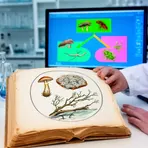
An old scientific group for fungi and living things like fungi no longer used
Compounds
- Archaic
An old scientific group for fungi and living things like fungi no longer used
Surface Forms
Morphology
Phycomycetes = phycomycete (opaque) = phycomycete + s
This is a specialised scientific taxonomic term formed from Greek combining elements and pluralized; an average B1 learner cannot derive its meaning from the parts.
Etymology
Phycomycetes comes from Greek parts phyco- meaning 'seaweed' and -mycetes meaning 'fungus', so it originally named 'seaweed-like fungi'. Scientists once used this name for water molds and similar organisms, but modern research shows they are quite different, so the group is now rarely used.

