
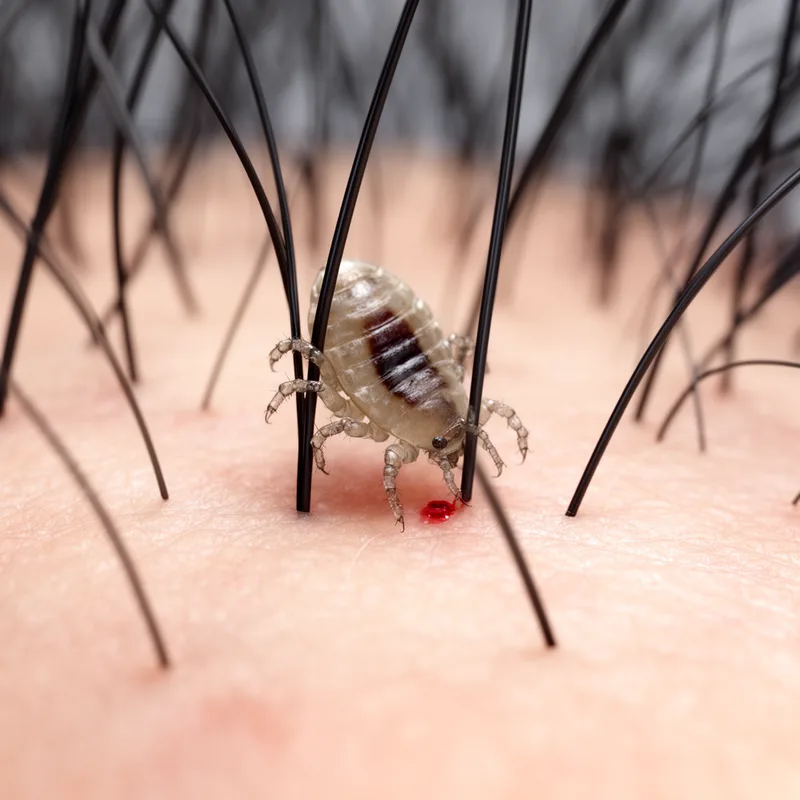
Pediculus humanus
- noun
- /pəˈdɪk.jə.ləs ˈhjuː.mə.nəs/
- Specialized
- The Pediculus humanus is a common parasite found on humans.
Examples
-
Treatment for Pediculus humanus typically involves topical insecticides and improved hygiene.
-
The doctor identified the parasite as Pediculus humanus during the examination.
-
Infestations of Pediculus humanus are common in crowded or unsanitary living conditions.
-
Many people are unaware that Pediculus humanus can cause itching.
-
The Pediculus humanus is often found in crowded living conditions, making it prevalent among certain populations.
-
Many parents worry about the spread of Pediculus humanus when their children attend school.
-
To prevent infestation by Pediculus humanus, it is important to maintain good hygiene and avoid sharing personal items.
Synonyms

A small insect that lives on the head or body of people and drinks their blood

A tiny insect that lives on the top of the head and causes strong itching
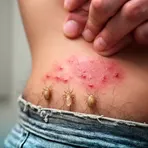
A small insect called the body louse that lives on people's bodies and causes strong itching

A small insect that lives in human hair and feeds on blood

A small insect that lives in clothing, bites people, and can spread disease
Surface Forms
Morphology
Pediculus + humanus
This is a taxonomic Latin binomial combining 'Pediculus' (a genus of lice) and 'humanus' (human), so the meaning 'louse associated with humans' or 'human louse' is directly derivable from the parts. Scientific naming convention (genus + species epithet indicating host or trait) is compositional and cross-linguistically recognizable, making the term transparent to a learner who knows both constituents.
Etymology
The scientific name Pediculus humanus comes from the Latin word Pediculus, meaning a small 'louse', and humanus, meaning 'human'. So the name literally means 'human louse' and is used for the type of louse that lives on people's heads or bodies.

