
Pan-Germanism
- noun
- /pæn ˈɡɜrmənɪzəm/
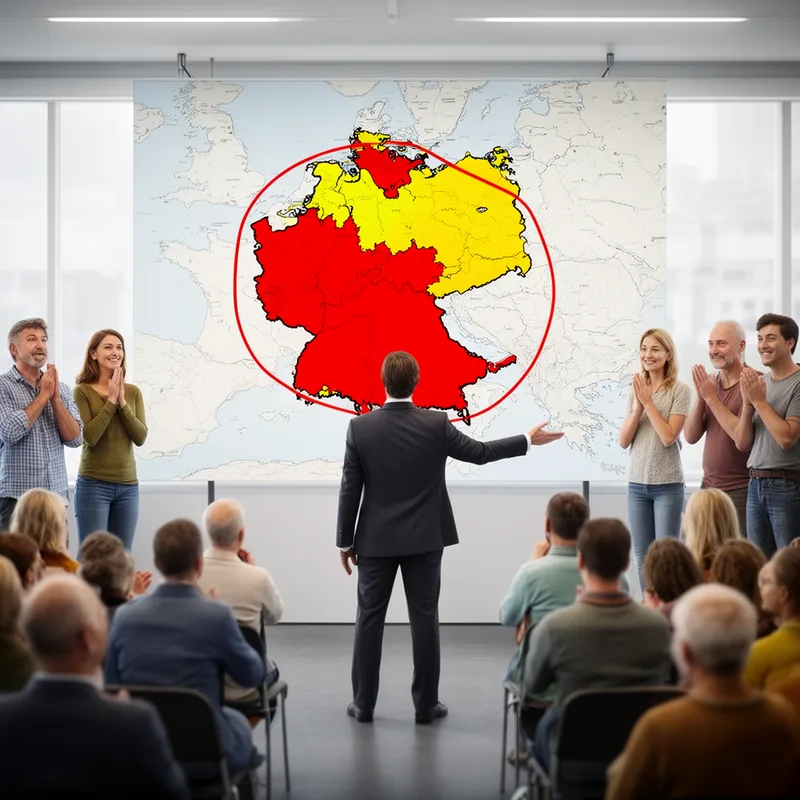
- Advocates of Pan-Germanism believed that all people speaking German or related Germanic languages should come together.
Examples
-
Pan-Germanism aimed to unite all German-speaking communities across Europe into a single political entity.
-
This exchange of political acquiescence for ethnic cultural autonomy was called into question at the turn of the century when Pan-Germanism and fear of "the German peril" struck Brazil.
Academic text (2000) -
The rise of Pan-Germanism in the late 19th century intensified discussions about national identity in German-speaking regions.
Surface Forms
Morphology
Pan-Germanism = Pan-German (semi-transparent) = pan + German + ism
Formally analyzable as pan- (all) + German + -ism (ideology); the meaning is clear to learners who know the prefix 'pan-', but that prefix may be unfamiliar to lower-level learners.
Etymology
Pan-Germanism comes from the Greek part pan- meaning 'all', the word German for the people and language of Germany, and the ending -ism meaning a 'belief' or 'movement'. So, Pan-Germanism is a political movement that wanted to bring together all people who speak German.

