
Ozothamnus secundiflorus
- noun
- Specialized
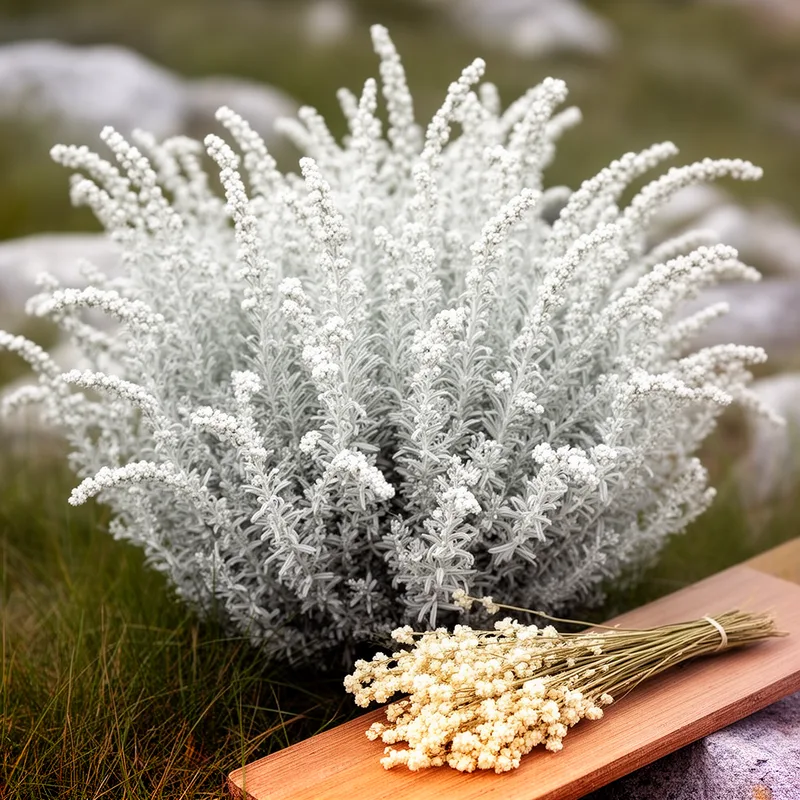
- Gardeners often plant Ozothamnus secundiflorus for its attractive sprays of fragrant white flowers.
Examples
-
Dried flowers from Ozothamnus secundiflorus are popular for use in floral arrangements.
-
The woolly leaves of Ozothamnus secundiflorus make it easy to identify in alpine regions.
-
The Ozothamnus secundiflorus is popular for its beautiful flowers.
-
Many gardeners love the Ozothamnus secundiflorus for its fragrance.
-
Dried flowers from Ozothamnus secundiflorus are popular for use in floral arrangements.
-
Gardeners often plant Ozothamnus secundiflorus for its attractive sprays of fragrant white flowers.
-
The woolly leaves of Ozothamnus secundiflorus make it easy to identify in alpine regions.
Synonyms

A small bush with soft white leaves and fragrant yellow flowers that people use in dried flower arrangements

A small shrub with white woolly leaves and long sprays of fragrant flowers used for drying
Surface Forms
Morphology
Ozothamnus + secundiflorus
This is a botanical binomial: the genus name Ozothamnus (a genus of shrubs) combined with a Latin species epithet. A B1 learner who knows the genus could infer it names a species of Ozothamnus (i.e. a shrub), but would not be able to derive the specific descriptive details from the Latin epithet 'secundiflorus', so the meaning is only partially transparent.
Etymology
Ozothamnus secundiflorus comes from old Greek and Latin words and may mean 'a shrub with flowers on one side.' The part secundiflorus is Latin for 'one-sided flowers', so the name helps you picture a woolly shrub with long sprays of fragrant white flowers along one side of its stems.

