
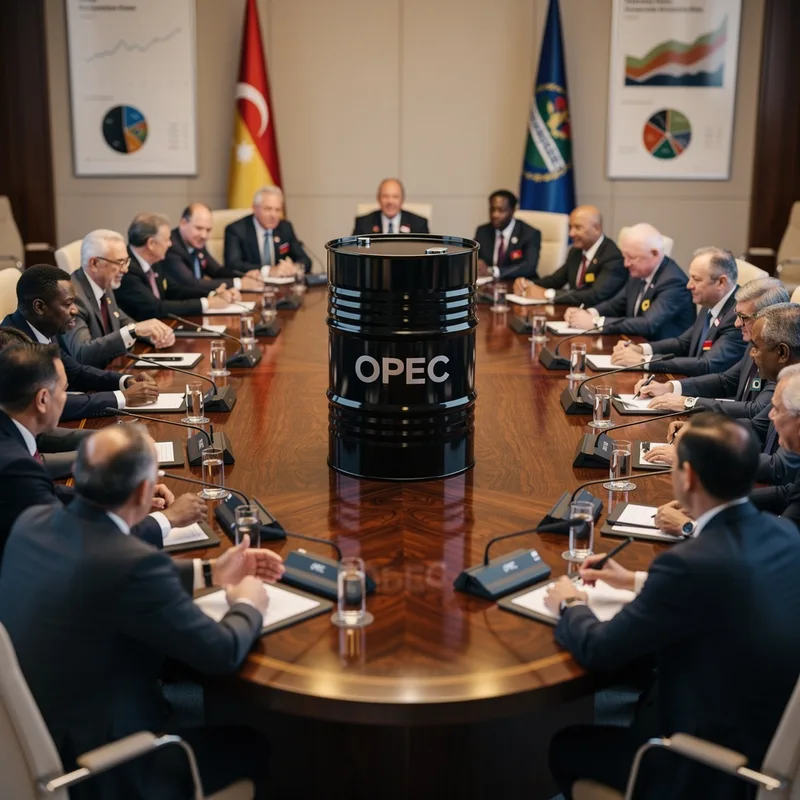
OPEC
 45
4.0
45
4.0

- proper noun
- /ˈoʊpɛk/
- Between 1972 and 1981, in fact, the price of OPEC oil increased by more than a factor of ten.
- OPEC countries
- OPEC members
- OPEC oil
Loading YouTube…
Watch on YouTubeBut even after the OPEC production cuts for oil, look at this.
- But even after the OPEC production cuts for oil, look at this.
- But, you know, OPEC would only accept dollars for oil.
- That is the whole point of OPEC, to try to maximize profits for oil producing nations.
- If we were to flip the green switch tomorrow, we become a We give China the ability to become the OPEC cartel of one.
- Yes, we have to go beg and Biden's got to go, you know, bow and beg to the, to the oil, the OPEC oil cartel, gangster cartel who are holding it over our heads.
- They thought they had an OPEC, They thought they had a Silicon Valley that would be forever.
Examples
-
What is the record of the OPEC countries in the 25 years since the 1970s boom?
Academic text (1999) -
The 13 nations of OPEC have still not... been able to decide by how much to increase the price of oil.
-
But, you know, OPEC would only accept dollars for oil.
-
Is OPEC going to stay together, you know, after all of this?
-
But even after the OPEC production cuts for oil, look at this.
-
OPEC will set the oil price.
-
To be sure, Saudi Arabia and OPEC will maintain some influence over oil prices in the future.
Academic text (2011) -
Meanwhile, OPEC was perceived to be in firm control of the petroleum market.
Academic text (1999) -
Then, OPEC took the reins, and influence over oil prices shifted to the Middle East.
Academic text (2011) -
The Organization of Petroleum Exporting Countries, commonly known as OPEC, regulates oil production to stabilize prices.
Synonyms
 1
5.3
1
5.3
A group of countries or companies that work together to control oil production and prices
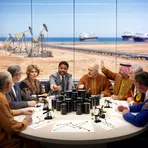
A group of countries that produce a lot of oil and agree on how much oil to make and sell
Surface Forms
Etymology
OPEC is a short name made from the first letters of Organization of the Petroleum Exporting Countries, so it literally names a group of countries that sell oil. 'Petroleum' means 'oil', and that's why OPEC is the organization where oil-exporting countries work together to change world oil supply and prices.