

Nasturtium amphibium
- noun
- Specialized
- The yellow flowers of Nasturtium amphibium are easily recognized in the European countryside.
Examples
-
Nasturtium amphibium thrives in wetlands and is often seen blooming by riverbanks in Europe.
-
Botanists recently debated whether Nasturtium amphibium should remain in this genus or be reclassified.
-
Nasturtium amphibium grows best in moist soils near streams or ponds.
-
The Nasturtium amphibium grows beautifully along riverbanks.
-
Many gardeners appreciate the Nasturtium amphibium for its vibrant flowers.
-
The leaves of Nasturtium amphibium float on the water's surface, enhancing the beauty of streams.
-
Many wildlife enthusiasts enjoy observing Nasturtium amphibium as it attracts various pollinators near rivers.
Synonyms
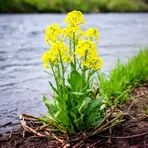
A plant with small yellow flowers that lives for many years by rivers

A tall plant with yellow flowers that grows beside rivers and streams
Surface Forms
Morphology
Nasturtium + amphibium
This is a scientific binomial: the genus name 'Nasturtium' (a plant) plus a Latin-derived species epithet 'amphibium' that suggests an 'amphibious' or waterside habit. The meaning (a nasturtium that grows in or near water) is recoverable if a learner recognises the Latin/Greek root, but 'amphibium' is not a common English word and the taxonomic form is specialist vocabulary, so an average B1 learner knowing only the listed constituents would only partially deduce the sense.
Etymology
Nasturtium amphibium comes from old Latin and Greek words. Nasturtium means 'nose-twister' because the plant's peppery taste makes you wrinkle your nose, and amphibium means 'both land and water', so the name points to a peppery plant that lives by streams.

