
Nasturtium
- noun
- /nəˈstərʃəm/
- Specialized
- And if one should ask how they can enjoy the meal with nasturtium for their only condiment and water for their only drink, let him bethink himself how sweet barley bread and wheat can taste.
Examples
-
You can add a peppery flavor to your salads by including fresh nasturtium leaves.
-
I wish we could raise nasturtiums.
-
"Nasturtiums" to you.
-
Richard had grown used to the transgressions of his friends, his children, and his children's friends, but he adored his wife as if they were new lovers, and seeing her face when the cigar sizzled in the nasturtium water, he knew that she felt violated, and this he could not forgive.
Fiction book (1997) -
The chef used nasturtium as a garnish, taking advantage of its colorful, edible flowers.
-
In many gardens, nasturtium is favored not only for its beauty but also for its tasty leaves and stems.
Compounds

A small garden plant with deep yellow flowers that stays compact and blooms all summer

A climbing plant with bright orange flowers whose seeds people sometimes eat like capers

- Specialized
A group of plants with flowers that includes the garden nasturtium

- Specialized
A plant that grows year after year near streams and ponds with small yellow flowers

- Specialized
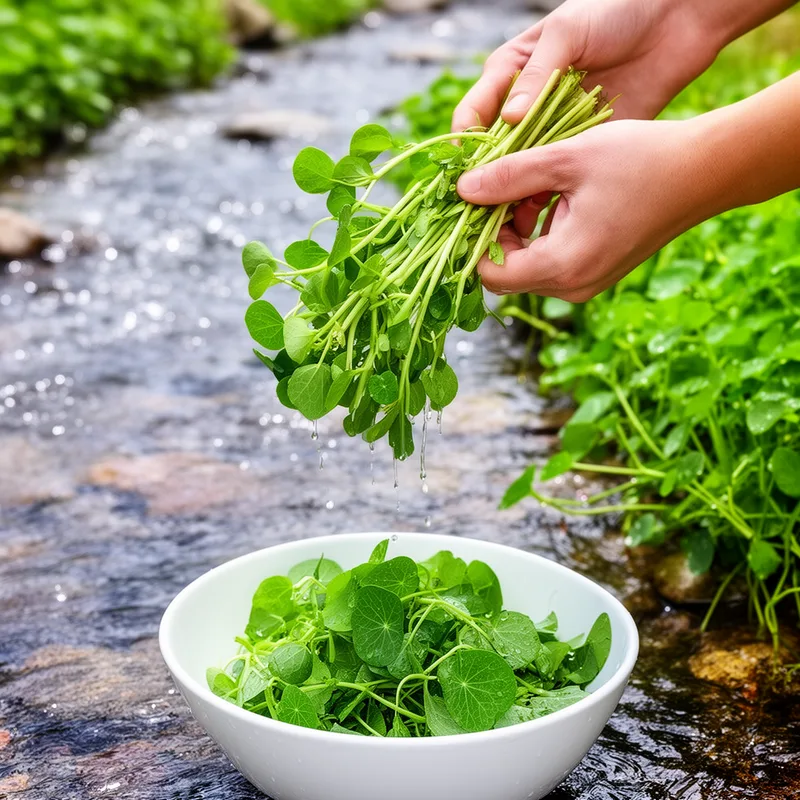
A leafy green plant often called watercress that grows in clean streams and tastes peppery

Surface Forms
Etymology
Nasturtium comes from the Latin roots nasus 'nose' and torquere 'to twist', so it means 'nose-twister'. That's why the plant's strong, peppery taste and smell can make your nose 'twist', and the name fits spicy, edible leaves like watercress.

