
Mogul empire
- noun
- /ˈmoʊɡəl ˈɛmˌpaɪər/
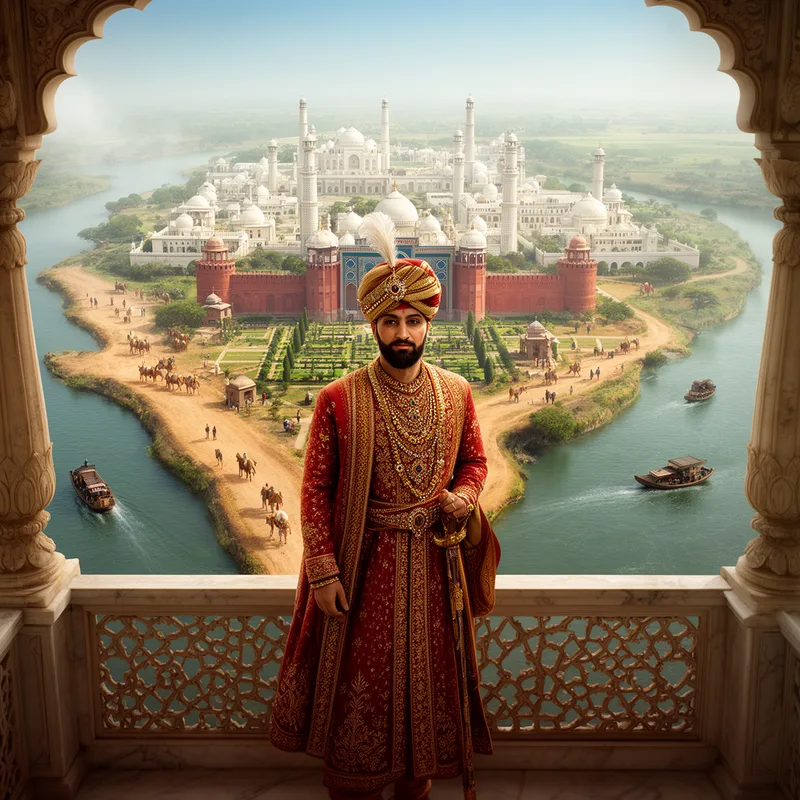
- The Mogul empire was renowned for its rich culture and impressive architectural achievements.
Examples
-
The decline of the Mogul empire paved the way for British colonial rule in India.
-
During the height of the Mogul empire, trade flourished across the Indian subcontinent.
-
The Mogul empire was known for its rich culture and architecture.
-
Did the Mogul empire influence modern India?
-
During the height of the Mogul empire, trade flourished across the Indian subcontinent.
-
The Mogul empire was renowned for its rich culture and impressive architectural achievements.
-
The decline of the Mogul empire paved the way for British colonial rule in India.
Surface Forms
Morphology
The meaning is directly compositional: a 'Mogul empire' is an empire ruled by Moguls, so a learner who knows 'Mogul' (member of the Mughal dynasty) and 'empire' can infer the overall meaning. This is a straightforward proper‑noun + noun combination following regular noun modification patterns, making it immediately comprehensible to learners who know the constituents.
Etymology
Mogul empire comes from powerful rulers called Moguls who came from Central Asia and built great palaces and gardens in India. Because these rulers controlled large lands and much wealth from 1526 to 1857, the phrase means 'the empire ruled by the Mogul conquerors'.

