

Mentha arvensis
- noun
- /ˈmɛnθə ɑrˈvɛn.sɪs/
- Specialized
- Botanists recorded a dense patch of Mentha arvensis thriving in the newly restored wetland area.
Examples
-
The essential oil extracted from Mentha arvensis is widely used in aromatherapy.
-
I found some Mentha arvensis growing near the river.
-
Mentha arvensis is often found growing along riverbanks and in damp meadows.
-
Have you ever tasted Mentha arvensis tea?
-
Mentha arvensis is often found growing along riverbanks and in damp meadows.
-
Botanists recorded a dense patch of Mentha arvensis thriving in the newly restored wetland area.
-
The essential oil extracted from Mentha arvensis is widely used in aromatherapy.
Synonyms
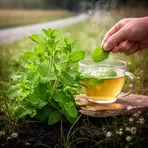
A wild plant with a fresh smell used to add taste to food and tea
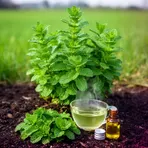
A small herb with a strong smell and green leaves used to make tea and oils
How Aromatic
- Specialized

- Specialized
- Specialized
- Specialized
- Specialized
Surface Forms
Morphology
Mentha + arvensis
The element 'Mentha' clearly indicates the plant is a mint, so part of the meaning is accessible, but 'arvensis' is a Latin species epithet (no English dictionary gloss provided) and is not transparent to typical B1 learners. Only learners familiar with scientific Latin or the specific epithet meaning ('of the field') would derive the full sense, so the expression is partly but not fully transparent.
Etymology
Mentha arvensis comes from Latin and means 'mint of the fields': Mentha is mint and arvensis points to fields. Because this plant often grows wild in fields and wet meadows, the name is used for the common 'field mint' you find by rivers and in damp places.

