
Meccan
 6
7.8

- noun
- /ˈmɛkən/
- It came to an end two years later; however, following an infraction by a tribe allied to the Meccans.
Examples
-
Muhammad's attack occurred shortly after he concluded the peace of Hudaibiya (March 628) with the Meccans.
Academic text (2015) -
The Meccans are falling back.
-
The Quran has pre- and post-Meccan included.
Blog text (18) -
As it happened, the Meccans and their allies withdrew from seizing Medina at the Battle of Trench without allowing Muslims to take their wealth.
Blog text (21) -
But this does not prevent the Meccans—or, apparently, the poem itself—from longing for beauty.
Academic text (2010) -
Surah 109 is one of the earlier Suras, called the "Meccan" Surahs because they were "revealed" when the Islamic prophet Mohammed had not yet been thrown out of Mecca.
Blog text (21) -
Other Muslim commentators, however, are more dismissive about abrogation, citing verses—all Meccan—to argue that God's laws are immutable.
Academic text (2007) -
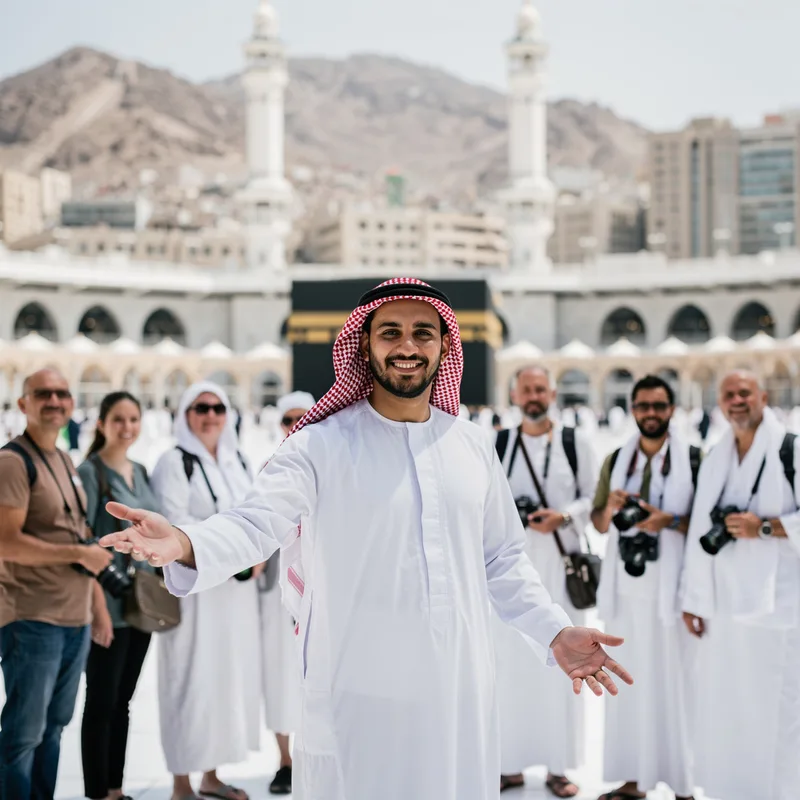
The Meccans celebrated the annual pilgrimage with great enthusiasm and devotion.
-
Many Meccans share a deep cultural heritage tied to their city's history and traditions.
-
The community of Meccans is known for its hospitality towards visitors during the Hajj.
Surface Forms
Morphology
Etymology
Meccan is formed from Mecca + -an, where -an means 'from' or 'of', so a Meccan is a person who lives in or comes from the city of Mecca.