
Meccan
 2
7.2

- adjective
- /ˈmɛkən/
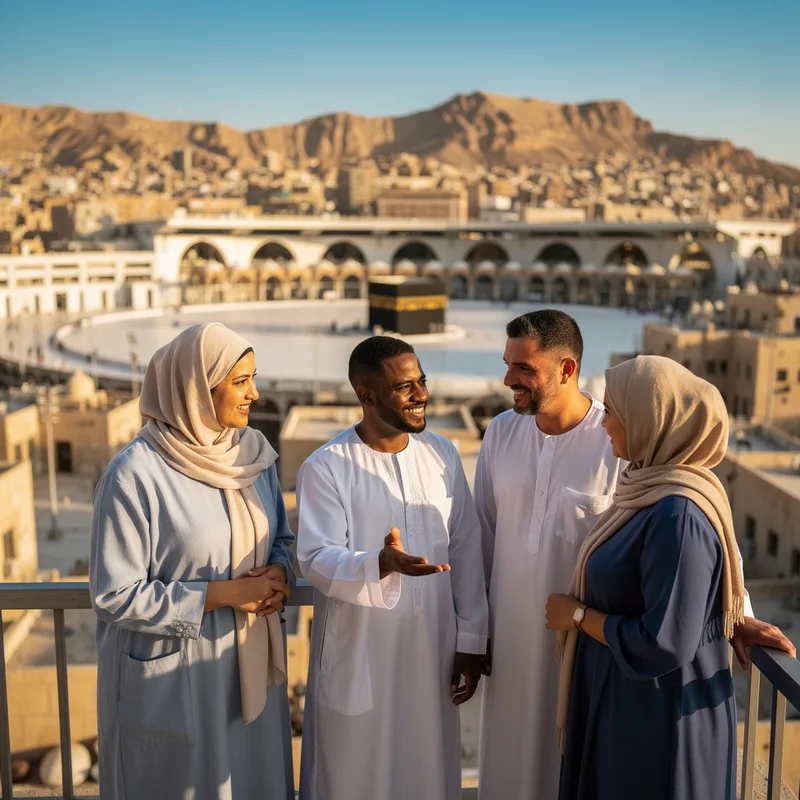
- A Meccan tradition is to welcome guests with dates and water during the hot months.
Examples
-
There are basically two Korans: the early Meccan Koran and the later Medinan Koran.
Blog text (25) -
The Meccan traders played a crucial role in the economic development of the region.
-
'' They met the Meccan army at the wells of Bedir.
-
The Meccan shrine must come under Islam.
Blog text (1) -
Born in a mercantile society, Islam provided solutions to problems that Meccan merchants faced at the turn of the Seventh Century A.D.
Academic text (1994) -
It is hard to envisage that Muhammad's enemies would plot an attack from the north without Meccan support.
Academic text (2015) -
The Meccan Koran reflects the first 12 years of Muhammad's 'revelations', which were basically benign and relatively peaceful.
Blog text (18) -
The Muslim immediately took the Meccan interpretation and explained that although it did refer to the Jews, it also included all those who anger Allah by rejecting Mohammed.
Blog text (25) -
A third early writing on the phonograph was a fatwa by the Meccan scholar of Maghribi descent, Abdallah Muhammad Salih al-Zawawi.
Academic text (2018) -
Many pilgrims visit the Meccan sites during the Hajj season each year.
Surface Forms
Morphology
Etymology
Meccan comes from the city name Mecca (from Arabic Makkah) plus the ending -an, which means 'from' or 'of', like in American. So Meccan describes something that is 'from' or related to the city of Mecca.