
Lymantriidae
- noun
- /ˌlaɪ.mənˈtrɪ.diː.ə/
- Specialized
 :
Lymantriidae
:
Lymantriidae
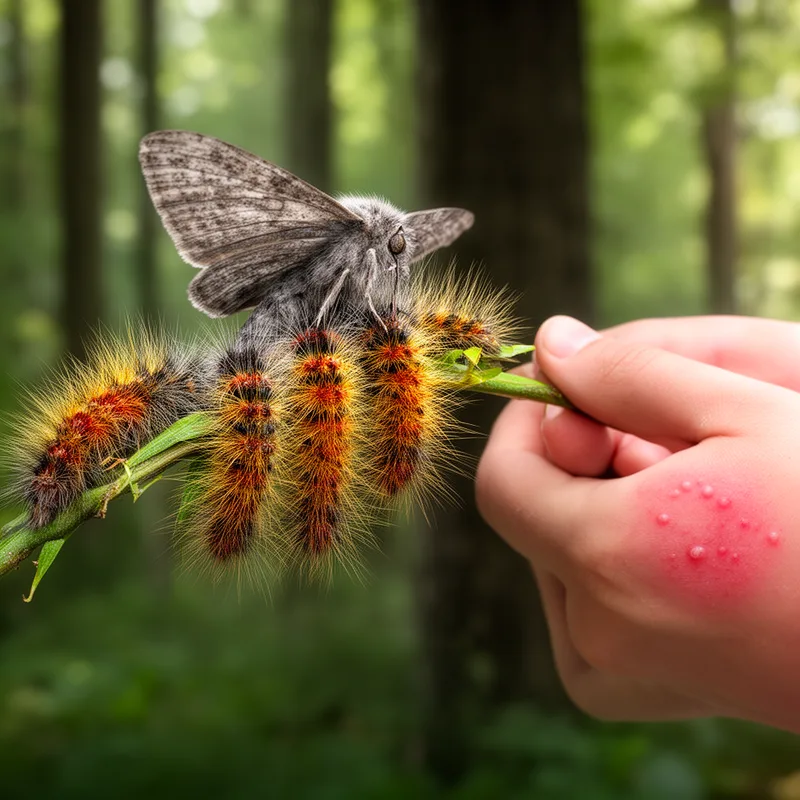
- The hairy caterpillars of Lymantriidae can cause skin irritation in humans.
Examples
-
Several species in the Lymantriidae family are considered serious pests in forestry.
-
Scientists have reclassified some genera previously included in Lymantriidae due to advances in molecular genetics.
-
The Lymantriidae family includes many species of moths.
-
Many Lymantriidae caterpillars are known to cause skin irritation.
-
The hairy caterpillars of Lymantriidae can cause skin irritation in humans.
-
Many Lymantriidae caterpillars are known to cause skin irritation.
-
Several species in the Lymantriidae family are considered serious pests in forestry.
Synonyms

A group of moths whose hairy caterpillars often eat tree leaves and damage forests

A dull colored moth whose caterpillars have tufts of hair and eat leaves of many trees
Compounds
- Specialized
A group of moths whose hairy caterpillars often eat tree leaves and damage forests
Surface Forms
Morphology
Lymantriidae = Lymantria (opaque) = lymantria + idae
Formed by adding the specialized zoological family suffix '-idae' to a genus name; this taxonomic formation is specialized and not predictable to general learners.
Etymology
The word Lymantriidae comes from the moth group name Lymantria, from a Greek word meaning 'destroyer' or 'one who harms', because many of these moths damage trees, and the ending -idae shows it is a 'family' of animals, so Lymantriidae are the moth family known for pest species and hairy caterpillars that can irritate skin.

