
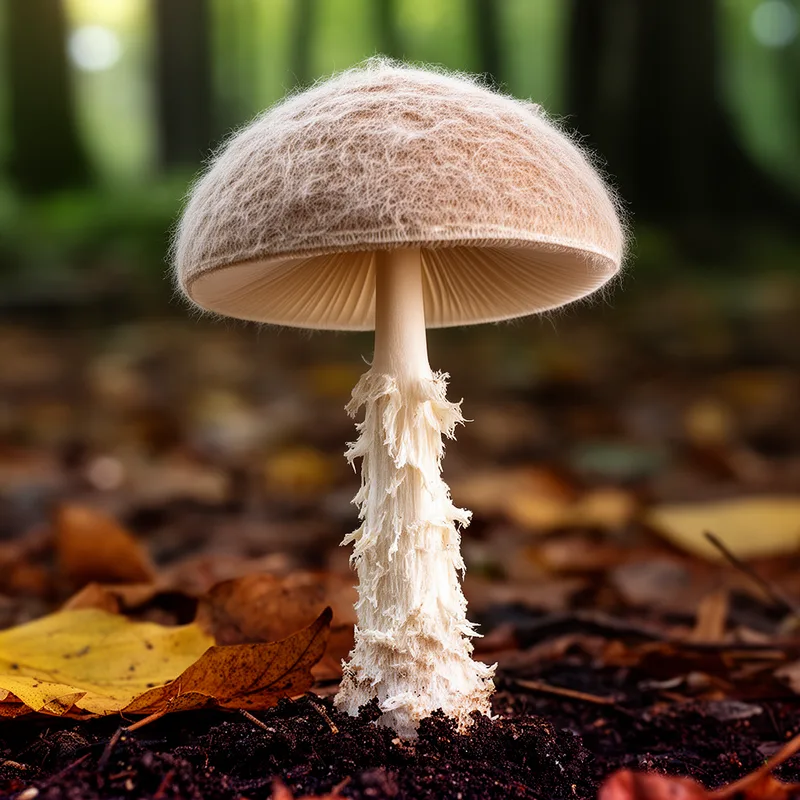
Lepiota clypeolaria
- noun
- Specialized
- Mycology students identified the Lepiota clypeolaria by its ragged stalk and distinct cap.
Examples
-
The forest floor was scattered with specimens of Lepiota clypeolaria during autumn.
-
The Lepiota clypeolaria is often found in grassy areas.
-
Foragers are cautioned not to confuse Lepiota clypeolaria with edible mushroom species.
-
Look at that beautiful Lepiota clypeolaria!
-
Mycology students identified the Lepiota clypeolaria by its ragged stalk and distinct cap.
-
Foragers are cautioned not to confuse Lepiota clypeolaria with edible mushroom species.
-
The forest floor was scattered with specimens of Lepiota clypeolaria during autumn.
Surface Forms
Morphology
lepiota + clypeolaria
The binomial name partly signals a type of fungus because 'Lepiota' is a known genus of mushrooms, so a learner who knows that constituent can infer it refers to a mushroom species. However, the specific epithet 'clypeolaria' is a Latin proper-name-like element with no transparent English meaning, and the detailed descriptive sense (ragged stem, floccose cap) cannot be derived from the parts. Because the genus gives some predictable information but the full referential and descriptive meaning is not compositionally recoverable, the expression is only partially transparent.
Etymology
Lepiota clypeolaria may come from old words where Lepiota means 'scales' and clypeolaria means 'small shield'. Imagine a little shield covered in tiny scales — this picture matches the mushroom's rough, soft cap and ragged stem, so the name helps you remember this species.

