

lepiota
- noun
- /lɛˈpaɪətə/
- Specialized
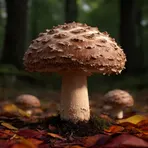
- Many species of lepiota are found in forests and can be distinguished by their scaly caps.
Examples
-
Careful identification is important, as some lepiota species can be toxic.
-
The lepiota fungi often grow on decaying organic matter, especially in grassy areas.
-
Yet unlike death caps, poisonous Gallarina and Lepiota species cause relatively few human deaths.
Synonyms

A group of mushrooms with white spores, including edible and poisonous kinds like parasol mushrooms
Compounds
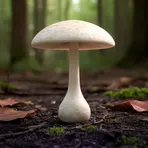

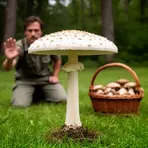
- Specialized
A large poisonous mushroom in North America that looks like a small umbrella and must not be eaten
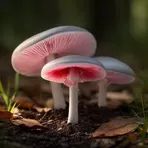
- Specialized
A small mushroom with a greyish white cap and gills that turn from pink to dull red
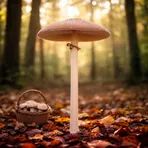
- Specialized
An edible mushroom with a long stalk and round cap like an umbrella, found in woods in autumn
- Specialized
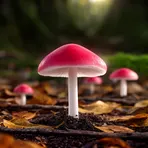
A small mushroom with a pink to red cap and white gills and stem
- Specialized
A group of mushrooms with white spores, including edible and poisonous kinds like parasol mushrooms
Surface Forms
Etymology
Lepiota comes from the Greek root lepis, which means 'scale'. Many Lepiota mushrooms have scaly caps, so the name helps you remember this group of gilled mushrooms.

