
Lepiota cepaestipes
- noun
- Specialized
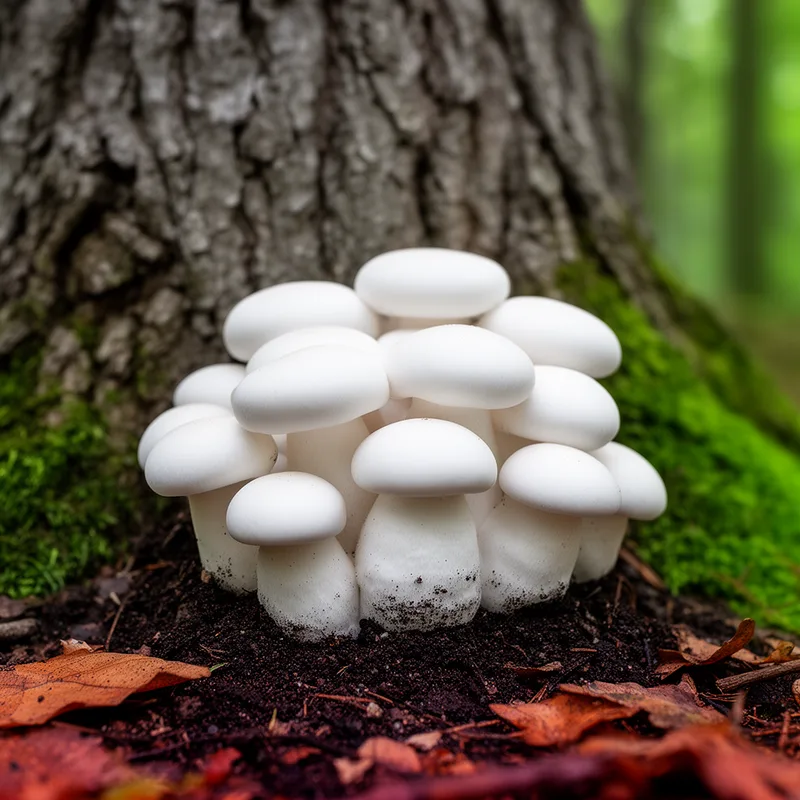
- The club-shaped base makes Lepiota cepaestipes distinctive among white mushrooms.
Examples
-
The cluster of Lepiota cepaestipes was growing at the base of the old oak tree.
-
The Lepiota cepaestipes is often found in grassy areas.
-
Foragers should be cautious when identifying Lepiota cepaestipes in the wild due to its similarity to other species.
-
Have you ever seen a Lepiota cepaestipes mushroom?
-
Foragers should be cautious when identifying Lepiota cepaestipes in the wild due to its similarity to other species.
-
The club-shaped base makes Lepiota cepaestipes distinctive among white mushrooms.
-
The cluster of Lepiota cepaestipes was growing at the base of the old oak tree.
Surface Forms
Morphology
lepiota + cepaestipes
This is a Latin binomial taxonomic name rather than a compositional English phrase; its label denotes a specific species and the detailed morphological sense is not derivable from ordinary English words. Even if a learner recognized 'Lepiota' as a kind of mushroom, the second element is a technical/Latin form (undefined here) and the whole functions as a proper name, so a B1 learner would not predict the species' characteristics from the parts.
Etymology
Lepiota cepaestipes may come from the name parts lepis 'scale' and cepaestipes 'onion stem', because this white mushroom has a scaly cap and a thick, onion-like base that often grows in small groups, so the name gives a clear image to help you remember and identify it.

