
Lactobacillaceae
- noun
- /ˌlæktəʊbəˈsɪləˌsiː/
- Specialized
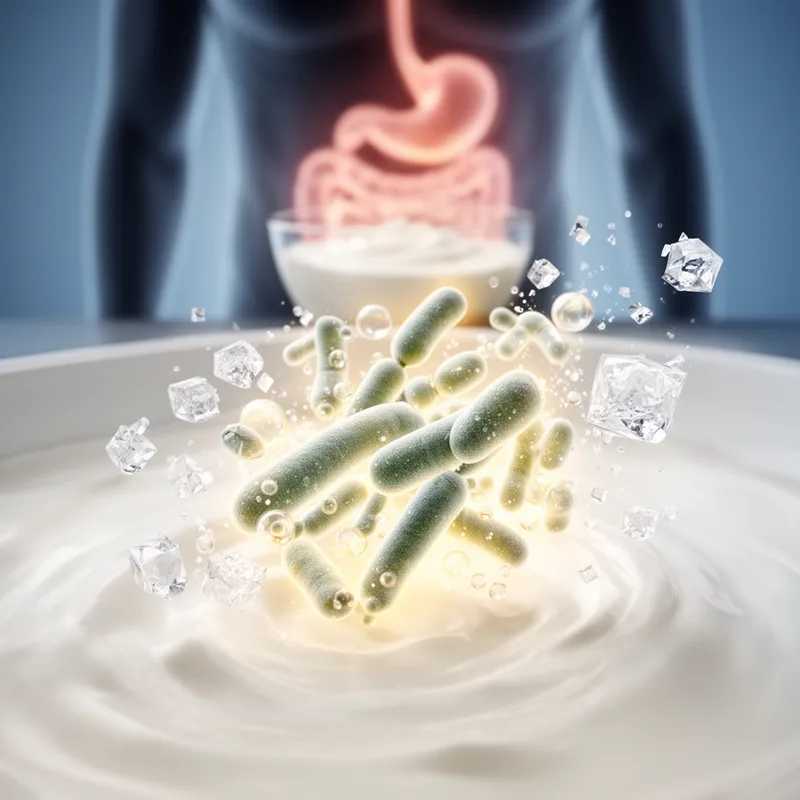
- Yogurt contains live cultures of Lactobacillaceae, which help with fermentation.
Examples
-
Researchers identified several species of Lactobacillaceae in the patient’s digestive tract.
-
The Lactobacillaceae family includes beneficial bacteria.
-
Some members of the Lactobacillaceae family are used as probiotics to promote gut health.
-
Many products contain Lactobacillaceae for fermentation.
-
Some members of the Lactobacillaceae family are used as probiotics to promote gut health.
-
Research shows that Lactobacillaceae can aid in the fermentation of dairy products.
-
Yogurt contains live cultures of Lactobacillaceae, which are essential for the fermentation process.
Synonyms

A family of bacteria that turn sugars into lactic acid and include types that help make yogurt or cause disease

Bacteria that turn sugars into lactic acid and help make yogurt, with some causing disease
Compounds
- Specialized
Bacteria that turn sugars into lactic acid and help make yogurt, with some causing disease
Surface Forms
Morphology
Lactobacillaceae = Lactobacillus (opaque) = lactobacill + aceae
Taxonomic family names are formed by adding the specialized suffix '-aceae' to a genus stem (with stem alteration), which is specialist knowledge not transparently predictable by an average B1 learner.
Etymology
Lactobacillaceae comes from lacto meaning 'milk', bacillus meaning 'little rod', and the ending -aceae meaning 'family'. So Lactobacillaceae are a 'family' of rod-shaped bacteria often found in milk and yogurt that turn sugar into 'lactic acid'.

