

Japanese cedar
- noun
- /ˌdʒæpəˈniːz ˈsiːdər/
- Brown needles on the 35-foot-tall Japanese cedars overhanging the pagoda gate to the bonsai collection are one result.
Examples
-
The garden was adorned with several tall Japanese cedars, providing a serene backdrop to the landscape.
-
The drenching of the Japanese cedars with oil shows that Aker is not afraid of spraying.
Academic text (1996) -
After going about halfway around a large lake, with a diameter of likely one kilometer, noticeably imposing Japanese cedar—or at least, coniferous trees that looked like them—sprouting up high.
Blog text (26) -
The Japanese cedar is known for its fragrant wood, making it a popular choice for furniture.
-
In Japan, the Japanese cedar is often used in traditional architecture due to its durability and beauty.
Synonyms
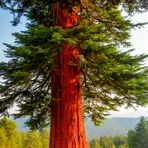
 15
3.2
15
3.2

A large green tree that keeps its leaves all year and has pleasant-smelling wood
 1
2.8
1
2.8
A large evergreen tree with strong, fragrant wood used for furniture
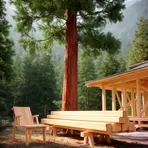
A tall tree from Japan and China with soft, strong wood used for furniture and building
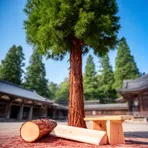
A tall evergreen tree from Japan and China with soft durable wood

A tall evergreen tree from Japan and China with soft wood used for building

A large evergreen tree from Japan called Japanese cedar grown for its wood
Surface Forms
Morphology
The phrase combines the adjective 'Japanese' (of or from Japan) with the noun 'cedar' (a type of evergreen tree), so the meaning 'a cedar native to or associated with Japan' is directly inferable from the constituents. This straightforward adjective+noun naming pattern is cross-linguistically common, so a B1 learner who knows both words will understand the MWE.
Etymology
Japanese cedar may come from early foreign visitors who saw Japan's tall evergreen and called it a cedar because it looked and smelled like the cedars they knew. Because people long used its soft, light wood for temples and furniture, the name now refers to the tree from Japan that is valued for its wood.