
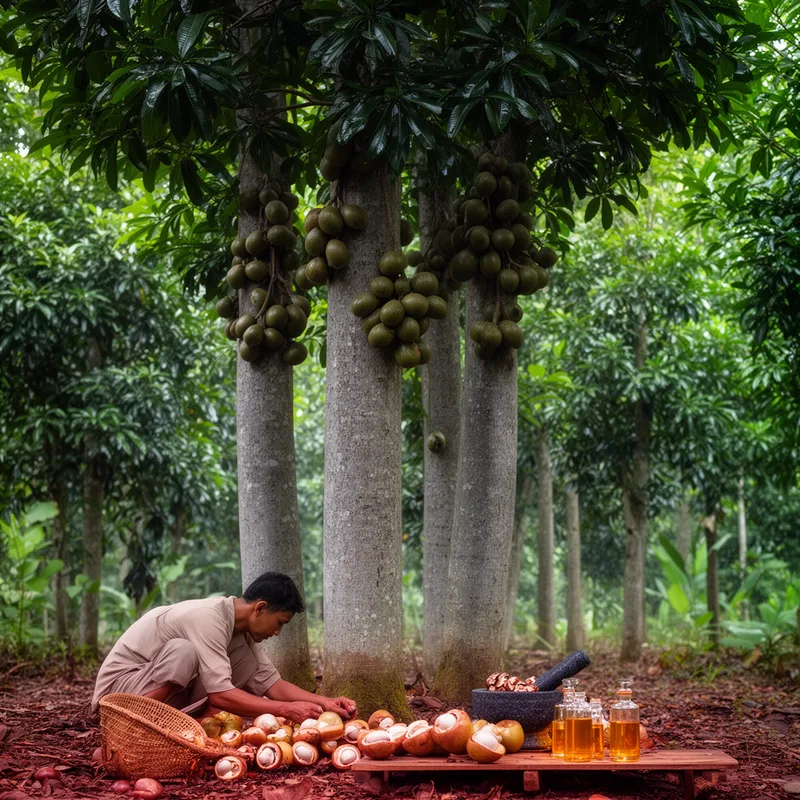
Hydnocarpus
- noun
- Specialized
- One species of Hydnocarpus is valued for its medicinal oil.
Examples
-
Botanists are studying the ecological role of Hydnocarpus trees in Southeast Asian forests.
-
The seeds of Hydnocarpus are traditionally used in the treatment of leprosy.
-
The Hydnocarpus tree grows predominantly in tropical rainforests.
-
Many traditional healers use Hydnocarpus for its medicinal properties.
-
The seeds of Hydnocarpus are traditionally used in the treatment of leprosy.
-
One species of Hydnocarpus is valued for its medicinal oil.
-
Many traditional healers use Hydnocarpus for its medicinal properties.
Compounds
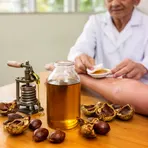
- Archaic
An oil pressed from the seeds of Hydnocarpus trees once used to treat leprosy

- Specialized
A tree from East India whose seeds produce oil once used to treat leprosy
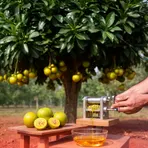
- Specialized
A tree with thick leaves that makes round fruits whose seeds people press to make oil
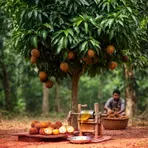
- Specialized
A tree from western India with leathery leaves and round fruits with brown hairy skin used to make oil
Surface Forms
Etymology
Hydnocarpus is a scientific plant name made of two parts: hydno-, from a Greek word meaning 'truffle', and -carpus, from Greek karpos, meaning 'fruit'. So the name suggests a plant with truffle-like fruit or seeds, which helps you remember this group of Southeast Asian trees whose seeds are used to make medicinal oil.

