
Hippobosca
- noun
- /ˌhɪpəˈbɒskə/
- Specialized
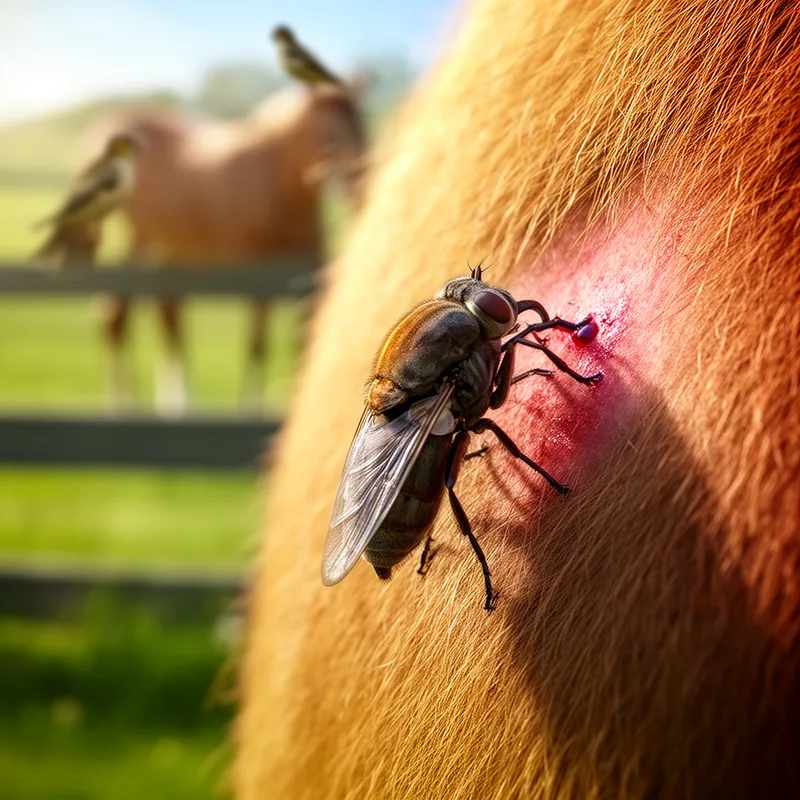
- The genus Hippobosca includes several species of louse flies that parasitize horses and cattle.
Examples
-
Specimens of Hippobosca were collected from migratory birds in the region.
-
Researchers studied the life cycle of Hippobosca to understand how it spreads among hosts.
-
The Hippobosca species are known for their parasitic behavior.
-
Did you know that Hippoboscae can infest both birds and mammals?
-
Researchers studied the life cycle of Hippobosca, a genus of parasitic flies, to understand how these insects spread among hosts.
-
Specimens of Hippobosca were collected from migratory birds to analyze their impact on avian health.
-
The genus Hippobosca includes several species of louse flies that attach to and feed on mammals like horses and cattle.
Synonyms

 1
9.9
1
9.9

A small fly without wings that lives on sheep and other animals and drinks their blood
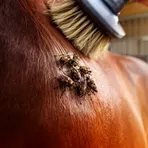
A group of flies that cling to and feed on large mammals

A small flat fly that sucks blood from birds and mammals
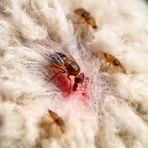
A small insect that sucks blood and lives in feathers or fur
Compounds

Surface Forms
Etymology
The word Hippobosca breaks into hippo- 'horse' and -bosca, a part that suggests feeding on or living on animals. So, Hippobosca is a fitting name for the louse flies that live on horses and other mammals.