
High Holiday
 2
6.8
2
6.8

- noun
- /haɪ ˈhɒlədeɪ/
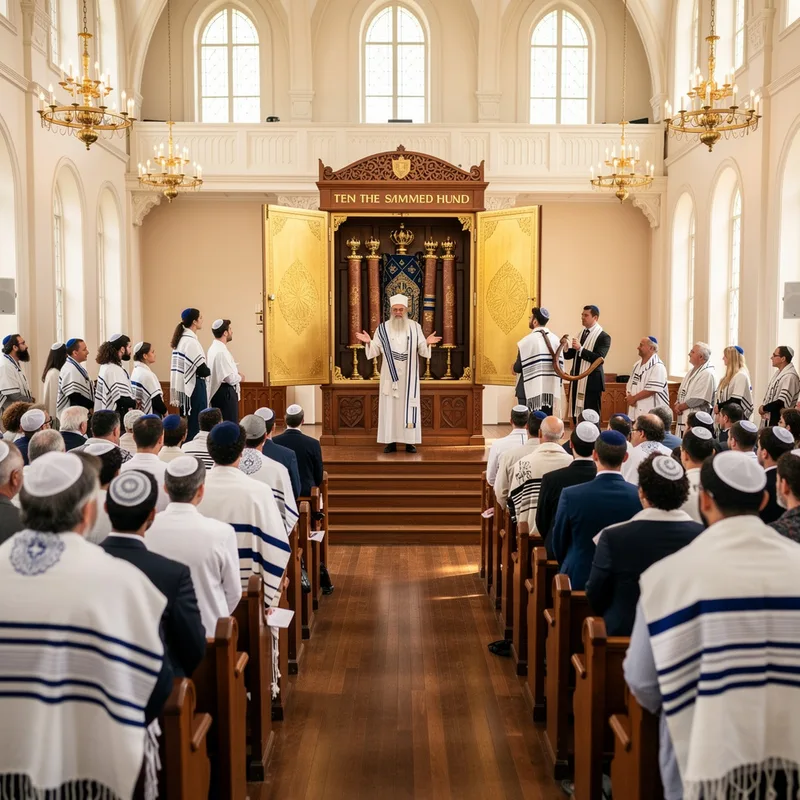
- How do we avoid the High Holidays trap of spending hour after hour reciting prayers we don't understand, in a language we don't subscribe to, to a God we may not even believe in?
- Jewish High Holidays
- High Holiday services
Examples
-
The High Holidays are a time for introspection and renewal in the Jewish faith.
-
The High Holidays and the rest of the Fall Jewish holidays call upon people to stop, reload for the winter, and give thanks.
Blog text (11) -
Meanwhile, it's the High Holidays again, so is this the right time for bitterness and recrimination?
Fiction book (1992) -
The High Holidays are a way to restart and recharge, and I used them for that.
Blog text (11) -
Shortly after the High Holidays, the rabbi began showing up in school with sandwiches from a local kosher deli, and about 30 students have joined him throughout the year.
Blog text (31) -
During the High Holidays, many families come together for prayer and reflection.
-
We attend services at the synagogue every year for the High Holidays.
Synonyms
 2
7.8
2
7.8
One of the two most important Jewish holy days, when Jewish people pray and sometimes fast
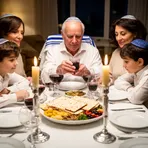
A religious holiday in the Jewish tradition, like Passover or Yom Kippur
Surface Forms
Morphology
A learner who knows 'high' (important/supreme) and 'holiday' (a day off) can infer that a 'High Holiday' is an especially important or major holiday, so part of the meaning is transparent. However, the phrase specifically denotes the two solemn Jewish holy days (Rosh Hashanah and Yom Kippur), a culturally specific referent not predictable from the constituents alone, making the expression only partially transparent to B1 learners.
Etymology
High Holiday comes from English-speaking Jewish practice of naming Rosh Hashanah and Yom Kippur their most important holy days. The word high shows these days are very important and the word holiday means a 'holy day', so the name reminds us they are days of prayer and serious thought.