
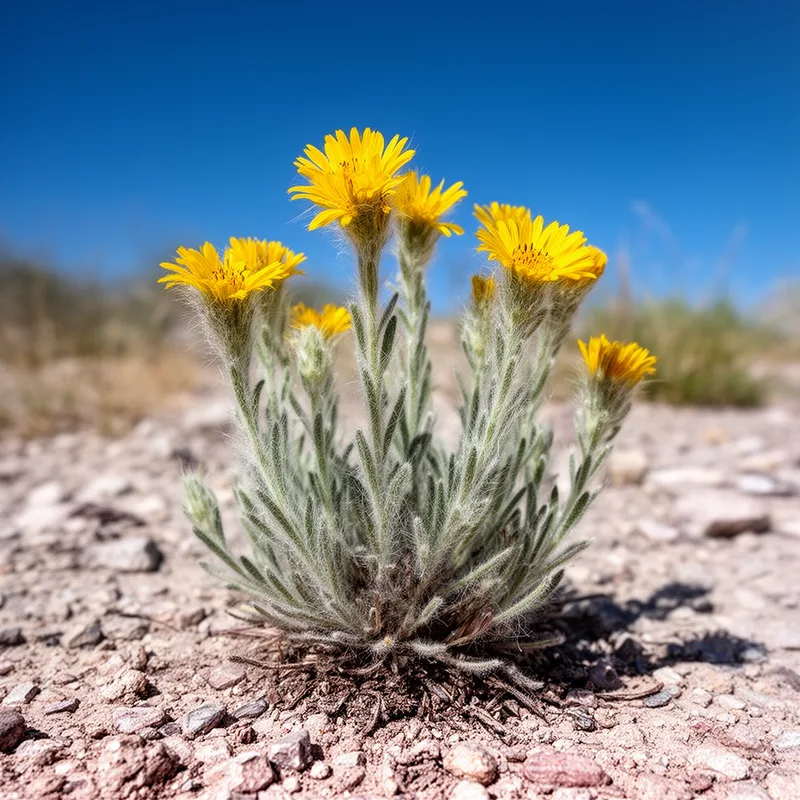
Heterotheca villosa
- noun
- Specialized
 :
Heterotheca villosa
:
Heterotheca villosa
- Despite its tough appearance, Heterotheca villosa produces bright yellow flowers each summer.
Examples
-
Heterotheca villosa thrives in dry, rocky soils across western North America.
-
The botanical garden recently added Heterotheca villosa to its collection of native wildflowers.
-
The Heterotheca villosa thrives in arid conditions.
-
Have you seen a Heterotheca villosa in bloom?
-
Heterotheca villosa is well-known for its bright yellow flowers that bloom in clusters during the summer.
-
In its native habitat, Heterotheca villosa can often be found growing in dry, sandy areas.
-
Many gardeners appreciate Heterotheca villosa for its resilience in drought-prone gardens.
Synonyms
A plant that lives for several years with hairy stems and yellow flowers in dry areas of North America
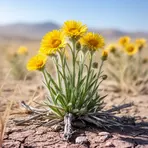
A plant that comes back every year with yellow flower heads and fine hairs, growing in dry places

A plant with many small yellow flowers that grows in dry prairie areas
Surface Forms
Morphology
Heterotheca + villosa
This is a scientific Latin binomial (genus + species) rather than a regular English phrase; the constituents are not common English words and 'villosa' has no English dictionary gloss here. A B1 learner who knows ordinary English vocabulary would not be able to derive the botanical meaning from these Latinized components, even though botanical users might recognize 'villosa' as ‘hairy’. Because understanding requires specialized/Latin knowledge rather than ordinary composition, the MWE is opaque.
Etymology
Heterotheca villosa comes from old scientific words: Heterotheca means 'different case' and villosa means 'hairy'. This is a handy image because the plant has hairy stems and yellow flower heads that look like little cases, so the name describes what the plant actually looks like.

