
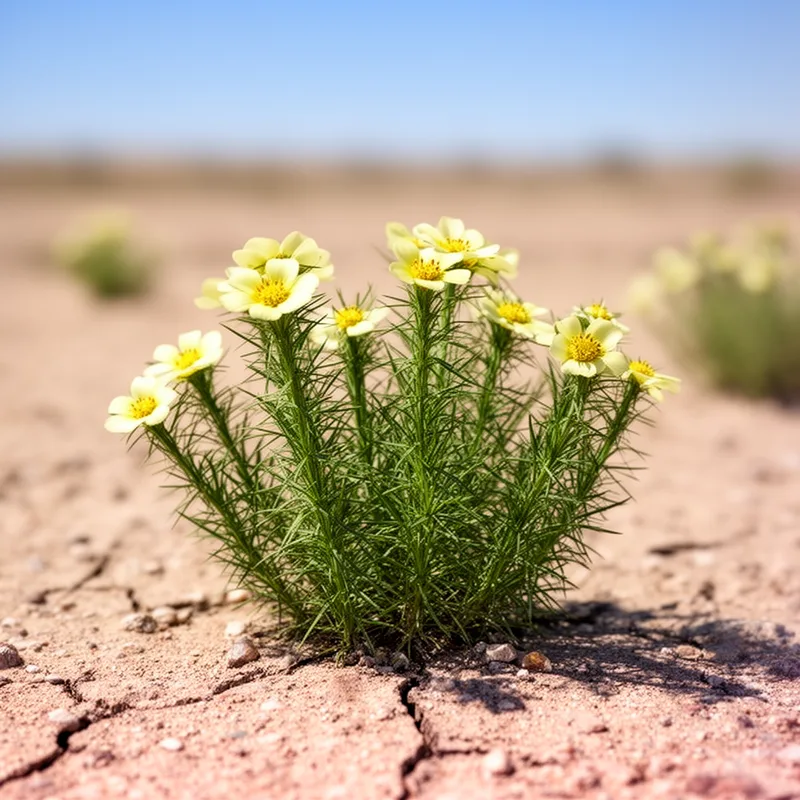
Haplopappus phyllocephalus
- noun
- Specialized
- Haplopappus phyllocephalus thrives in dry, sandy soils across parts of Texas and northern Mexico.
Examples
-
The bristly leaves of Haplopappus phyllocephalus make it easy to distinguish from similar species.
-
Haplopappus phyllocephalus is known for its striking pale yellow flowers that bloom in the warm months.
-
Botanists collected several specimens of Haplopappus phyllocephalus during their fieldwork in southern Arizona.
-
The Haplopappus phyllocephalus blooms beautifully in the spring.
-
I saw a Haplopappus phyllocephalus while hiking in Texas.
-
During our hike, we spotted the distinctive bristly leaves of Haplopappus phyllocephalus growing along the trail.
-
Many gardens in southern Texas feature Haplopappus phyllocephalus for its unique foliage and low maintenance needs.
Synonyms

A plant with rough leaves and pale yellow flowers that gives off a strong smell
Surface Forms
Morphology
Haplopappus + phyllocephalus
This is a scientific Latin binomial name (a genus + species) where the second element is not a common English word and is listed as '[Word not found in dictionary]'. Even if a learner knew that Haplopappus is a plant genus, a B1 learner would not be able to derive the specific meaning or description from these proper-name components; the term functions as a label rather than a compositional phrase.
Etymology
Haplopappus phyllocephalus comes from old Greek words: haplo 'simple', pappus 'tuft of hairs', phyllo 'leaf' and cephalus 'head'. So the name gives a simple picture of a small, bristly plant with a little tuft of seed hairs and a leafy flower head, which helps you remember this pale yellow-flowered plant.

