
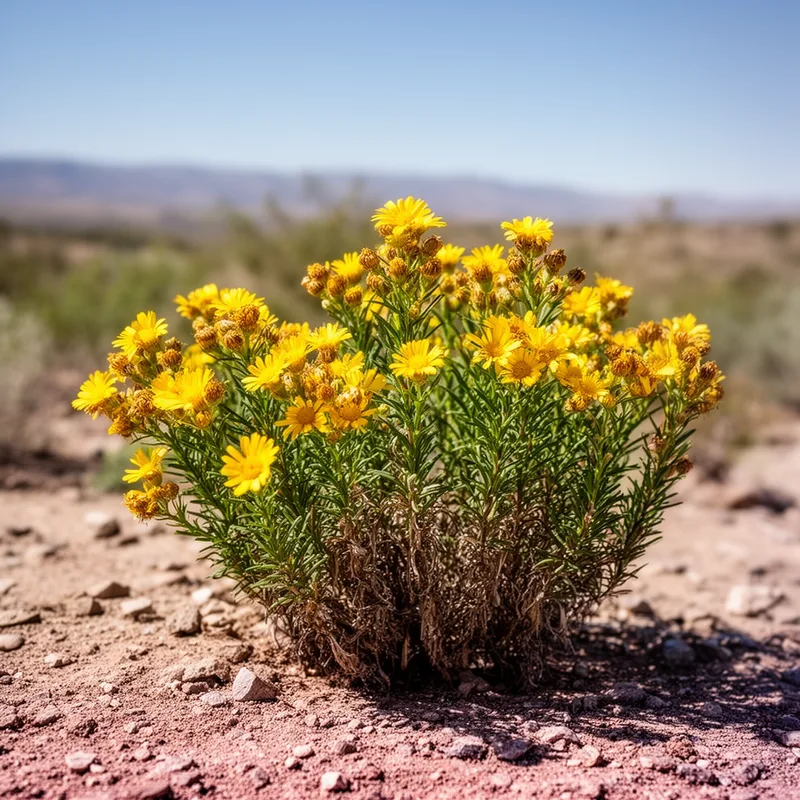
Haplopappus
- proper noun
- /ˌhæpləˈpæpəs/
- Specialized
- The bright yellow flowers of Haplopappus make it a striking addition to wildflower collections.
Examples
-
Taxonomists have debated which species should be included in Haplopappus and related genera.
-
Many species within Haplopappus are adapted to arid environments in western North America.
-
Haplopappus plants thrive in arid environments.
-
The Haplopappus genus includes several species.
-
Many species of Haplopappus are found in the dry regions of western North America, showcasing their adaptability.
-
Taxonomists frequently study the classification of Haplopappus to determine the relationships between various species.
-
The vibrant yellow flowers of Haplopappus attract many pollinators in natural habitats.
Compounds

- Specialized
A dark green mountain plant with stiff leaves that grow in small clumps and yellow flower heads

- Specialized
A small plant with bristly leaves and pale yellow flowers that grows in the southern United States and Mexico
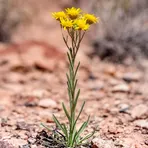
- Specialized
A slender plant with slightly hairy leaves and yellow flower heads
Surface Forms
Etymology
Haplopappus comes from Greek parts: haplo- meaning 'single' and pappus meaning the fluffy 'parachute' of seed hairs like a dandelion. So the name points to the plant's simple seed tuft and helps explain why botanists call these yellow-flowering shrubs Haplopappus.

