
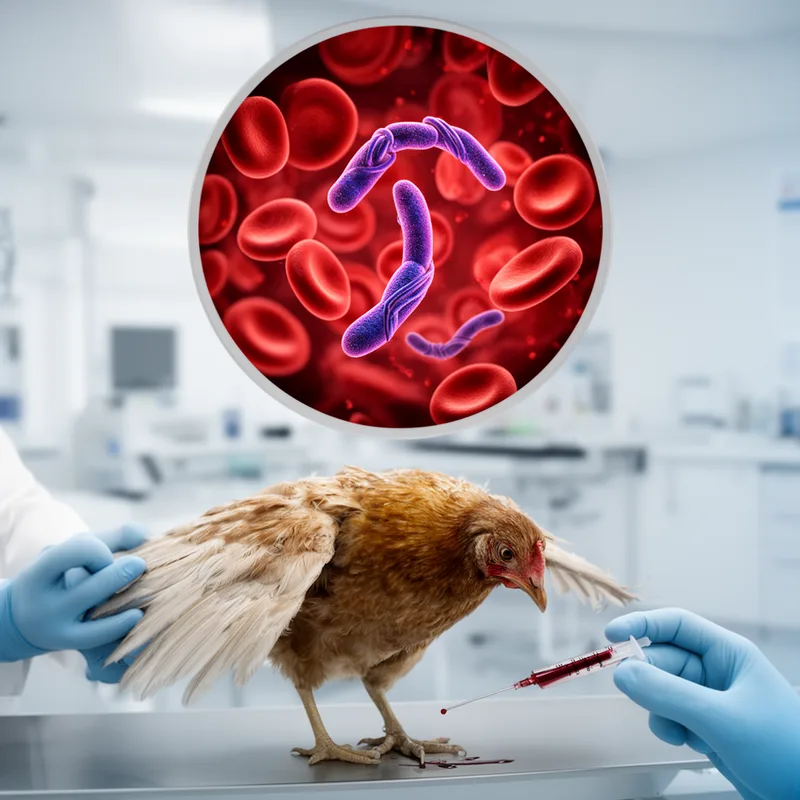
Haemoproteidae
- noun
- /ˌhiːməˈproʊtiˌdeɪ/
- Specialized
- The Haemoproteidae family includes several species that affect avian health.
Examples
-
The Haemoproteidae are responsible for various diseases in wild and domestic bird species.
-
Birds infected by Haemoproteidae can show symptoms of anemia.
-
Researchers examined blood samples for the presence of Haemoproteidae parasites.
-
Understanding the life cycle of Haemoproteidae helps in the prevention of avian infections.
-
Researchers examined blood samples for the presence of Haemoproteidae parasites.
-
The Haemoproteidae are responsible for various diseases in wild and domestic bird species.
-
Birds infected by Haemoproteidae can show symptoms of anemia.
Synonyms
A group of tiny parasites that live in birds and can cause malaria-like illness
Compounds
- Specialized
A group of tiny parasites that live in birds and can cause malaria-like illness
Surface Forms
Morphology
Haemoproteidae = Haemoproteus (opaque) = Haemoprote + idae
In scientific taxonomy, adding '-idae' to a genus name denotes a family, but this rule is specialized rather than part of general vocabulary knowledge.
Etymology
The word Haemoproteidae comes from Greek parts: haemo- meaning 'blood', as in haemoglobin, the name Proteus, a Greek god who could 'change shape', and -idae, a family ending. So the name points to parasites that live in the blood and change form, which is why Haemoproteidae is used for a family of blood parasites in birds.

