
HMG-CoA reductase
- noun
- /ˌeɪtʃɛmˌdʒiːˈkoʊˈeɪ rɪˈdʌkˌteɪs/
- Specialized
 :
reductasa HMG-CoA
:
reductasa HMG-CoA
- The HMG-CoA reductase enzyme is crucial for cholesterol synthesis.
Examples
-
Some genetic disorders can lead to an overproduction of HMG-CoA reductase, raising cholesterol levels.
-
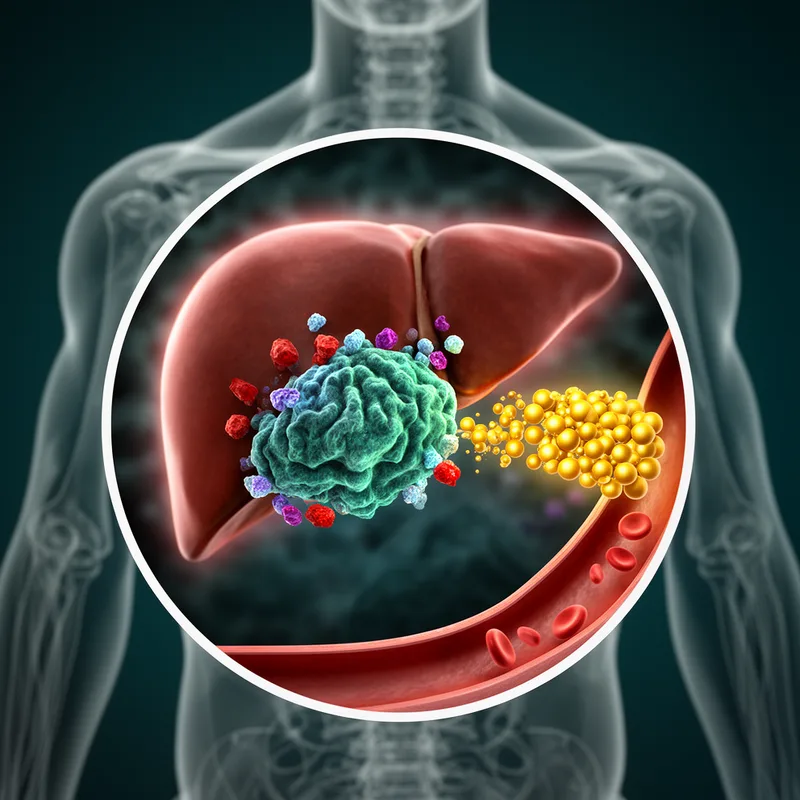
HMG-CoA reductase is an important enzyme in the liver that helps control cholesterol production.
-
Researchers studied the effect of diet on HMG-CoA reductase activity in mice.
-
Statins work by inhibiting HMG-CoA reductase, thereby lowering cholesterol levels in the body.
-
Researchers are studying HMG-CoA reductase to understand its role in heart disease.
-
Understanding how HMG-CoA reductase functions can help in developing treatments for high cholesterol.
-
Researchers study HMG-CoA reductase to find ways to lower cholesterol levels and reduce heart disease risk.
Synonyms

An enzyme in the liver that helps make cholesterol
Surface Forms
Morphology
HMG-CoA + reductase
The compound follows a regular compositional pattern: 'reductase' clearly marks an enzyme that reduces its substrate, so from the parts one can infer it is an enzyme acting on HMG‑CoA. However, HMG‑CoA is a technical biochemical abbreviation unfamiliar to a B1 learner and the specific role in cholesterol synthesis cannot be fully derived without domain knowledge, so the meaning is only partially transparent.
Etymology
HMG-CoA reductase shows what the protein works on: HMG-CoA is the molecule it changes, and reductase is the scientist word for an 'enzyme' that makes a small chemical change. In the liver this change helps make 'cholesterol', so the name helps you remember it is the enzyme involved in cholesterol production.

