

Ginkgoaceae
- noun
- /ˌɡɪŋkoʊˈeɪʃiˌi/
- Specialized
- The Ginkgoaceae family is represented today by the single living species, Ginkgo biloba.
Examples
-
Botanists classify Ginkgo trees under the Ginkgoaceae family due to their unique reproductive structures.
-
Fossils indicate that Ginkgoaceae were more diverse during the Jurassic period.
-
The Ginkgoaceae family includes unique trees.
-
Many Ginkgoaceae species are known for their fan-shaped leaves.
-
Botanists classify Ginkgo trees under the Ginkgoaceae family due to their unique reproductive structures.
-
Fossils indicate that Ginkgoaceae were more diverse during the Jurassic period.
-
The Ginkgoaceae family is represented today by the single living species, Ginkgo biloba.
Synonyms
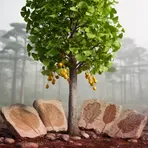
A group of seed plants including the living ginkgo tree and extinct relatives

A group of ancient seed plants with only one living species
Compounds
- Specialized
A group of seed plants including the living ginkgo tree and extinct relatives
Surface Forms
Morphology
Ginkgoaceae = Ginkgo (opaque) = Ginkgo + aceae
The formation uses the specialized Latin botanical family suffix '-aceae', which is not transparently meaningful to average learners even if they recognise the genus name.
Etymology
Ginkgoaceae comes from the tree name Ginkgo, which comes from a Japanese name meaning 'silver apricot', plus the plant-family ending -aceae, the same ending in Rosaceae for the rose family. So Ginkgoaceae simply means the family of plants related to the Ginkgo tree.

