
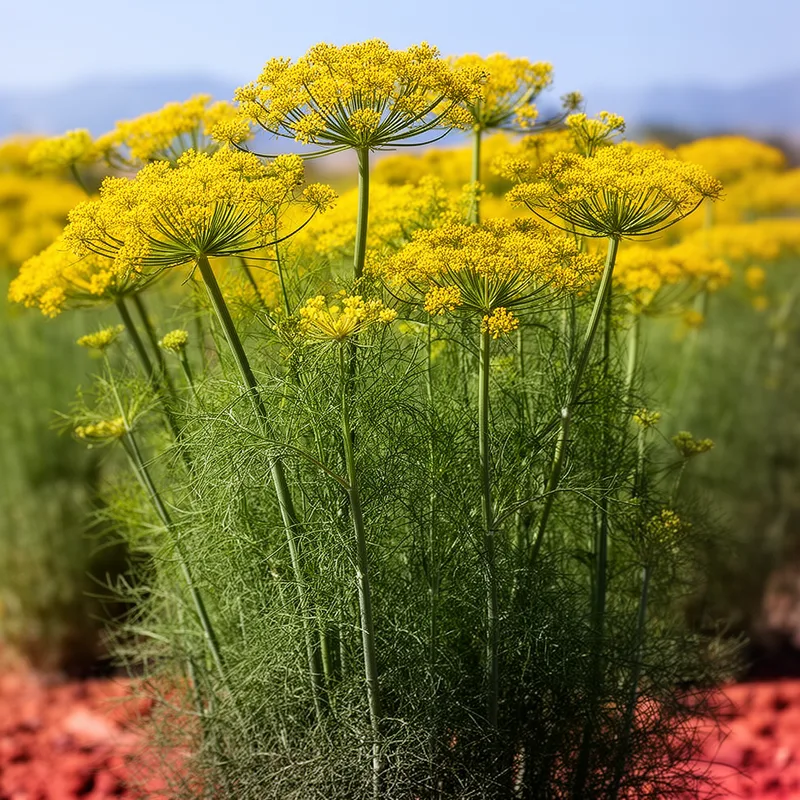
Foeniculum
- noun
- /ˌfoʊnɪˈkjuːləm/
- Specialized
- Foeniculum is widely cultivated for its flavorful seeds and leaves.
Examples
-
The genus Foeniculum is native to the Mediterranean region.
-
Botanists classify common fennel as Foeniculum vulgare.
-
The Foeniculum plant is often used in Mediterranean cooking.
-
Did you know that Foeniculum has medicinal properties?
-
The aromatic herb Foeniculum, commonly known as fennel, is often used to enhance the flavor of sauces and salads.
-
In Mediterranean cuisine, Foeniculum is added to fish dishes to impart a fragrant taste.
-
Cooked Foeniculum can be served as a side dish, where its soft texture and sweet flavor complement various meals.
Synonyms

A small group of European herbs with feathery leaves and yellow flowers including fennel
Compounds

- Specialized
A North American herb with many branches and a smell like fennel, used in gardens and for tea
- Specialized
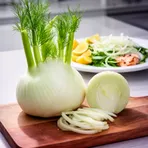
A type of fennel grown for its round edible stem and mild anise-like taste

- Specialized
A type of fennel with a round white stem eaten raw or cooked
- Specialized
A small group of European herbs with feathery leaves and yellow flowers including fennel
Surface Forms
Etymology
Foeniculum comes from the Latin foenum meaning 'hay' and the small ending -culum meaning 'little', so it originally meant 'little hay'. Because the plant has dry, feathery leaves and a hay-like smell, Foeniculum became the name for the group of plants that includes common fennel, which makes the origin easy to remember.

