
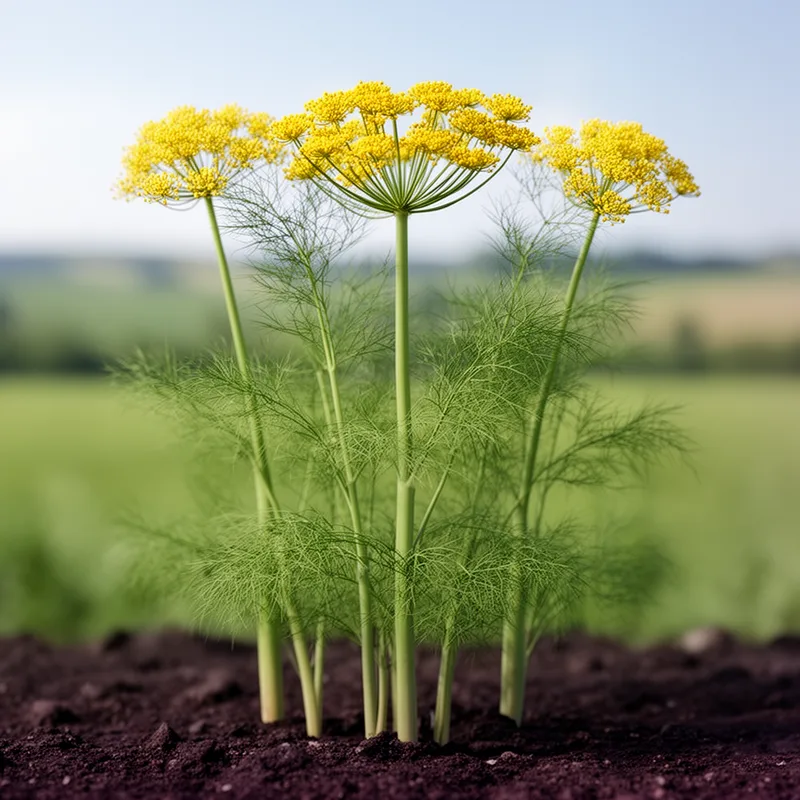
genus Foeniculum
- noun
- /ˈdʒɛnəs foʊˈnɪkjʊləm/
- Specialized
- Members of the genus Foeniculum are easily recognized by their feathery leaves and aromatic quality.
Examples
-
The genus Foeniculum contains plants widely used for culinary and medicinal purposes.
-
The genus Foeniculum includes fennel, which is popular in cooking for its sweet, anise-like flavor.
-
Botanists study the genus Foeniculum to learn more about the diversity of edible herbs.
-
The genus Foeniculum includes several species of herbs.
-
Did you know that genus Foeniculum is commonly known for fennel?
-
Many culinary dishes are enhanced by a sprinkle of herbs from the genus Foeniculum, particularly fennel.
-
Gardening enthusiasts often cultivate the genus Foeniculum in their herb gardens for its fragrant leaves and flowers.
Synonyms
A group of strong-smelling plants like fennel with fine leaves and yellow flowers
Surface Forms
Morphology
The phrase is a straightforward compositional label: 'genus' (a biological rank) combined with the proper name 'Foeniculum' (a herb genus) yields the meaning 'the genus called Foeniculum, containing aromatic herbs.' This follows standard scientific naming patterns found across languages, so a learner who knows both constituents can readily infer the MWE's meaning.
Etymology
Genus Foeniculum comes from the old Latin word foeniculum, which means 'little hay' because the plant's smell is like dry grass. That's why the name is used for this small group of aromatic herbs, including the common fennel.

