
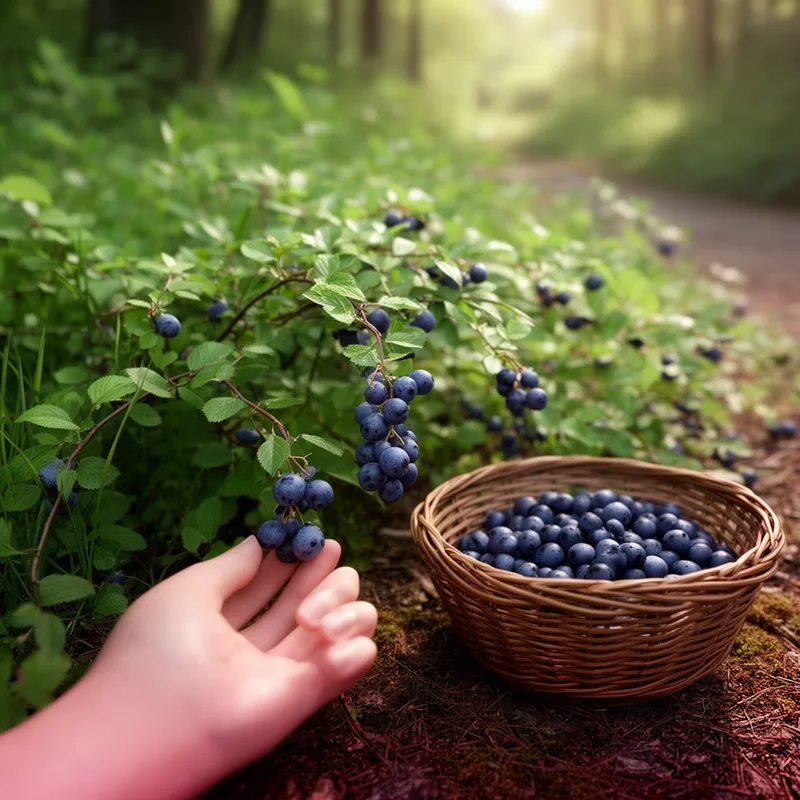
European dewberry
- noun
- UK
- The tart flavor of the European dewberry makes it perfect for jams and desserts.
Examples
-
We found several European dewberries growing along the woodland path.
-
Farmers in northern Europe sometimes cultivate the European dewberry for its fruit.
-
I found a patch of European dewberry in the garden.
-
Have you ever tasted European dewberries?
-
Farmers in northern Europe sometimes cultivate the European dewberry for its dark, edible fruit.
-
The tart flavor of the European dewberry makes it a popular ingredient for jams and desserts.
-
While hiking, we discovered several clusters of European dewberries growing along the woodland path.
Synonyms

A low bushy plant from Europe that makes blue-black berries
Surface Forms
Morphology
The phrase is transparently compositional: 'European' specifies geographic origin and 'dewberry' names the trailing bramble with dark edible berries, so a learner who knows both words can infer it is a dewberry species from Europe. This follows straightforward adjective + noun naming patterns common across languages, making the meaning predictable to B1 learners familiar with the constituents.
Etymology
European dewberry may come from the way the plant's small dark fruits look like drops of morning dew on the bush, and berry simply means 'small fruit'. So the name points to a small, dewy-looking fruit that grows in Europe.

