
Ephesian
 11
9.6
11
9.6

- noun
- /ɪˈfiːʒən/
- And there for two hours they continued to cry, "Great is Diana of the Ephesians."
- Ephesian philosopher
Examples
-
Ephesians 6:11 tells us to put on the full armor of God, but wearing God's armor isn't always easy, is it, Don?
-
The stadium in Ephesus once hosted events attended by thousands of Ephesians.
-
Ephesians tells us, "Husbands should love their wives as Christ loved the Church and gave himself up for her."
-
But I believe the Apostle Paul, writing to the Ephesians, said it best when he said "All things are done according to God's will. "
-
Ephesians chapter six tells us to put on the full armor of god so that you can take your stand against the devil's schemes.
-
Ephesians 6:4 says, "Fathers, do not exasperate your children. Instead, bring them up in the training and the instruction of the Lord."
-
In Paul's letter to the Ephesians, he indicates our need to discern, and Paul writes:
Blog text (13) -
And speaking to the Ephesians, who were of course a mixture of Jews and gentiles, Paul reminds us that God's gift to the church... is its variety.
-
The letters of the Apostle Paul were addressed to the Ephesians in the early days of Christianity.
-
Many ancient artifacts from Ephesus provide insight into the lives of its Ephesians.
Surface Forms
Morphology
Etymology
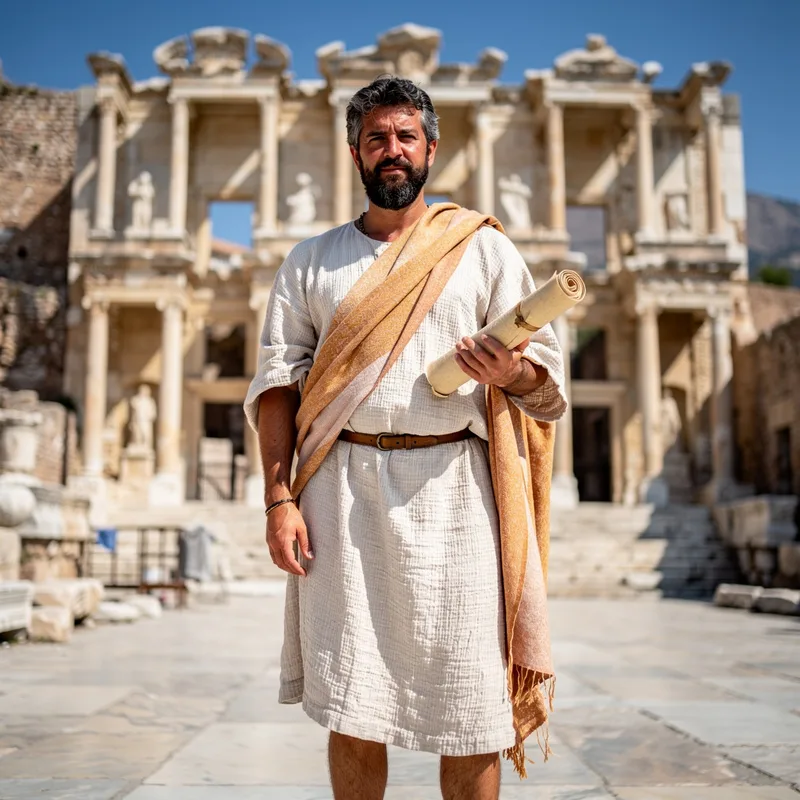
Ephesian originally names a person from the ancient city Ephesus, so the noun means 'a resident or native of Ephesus'. Just as calling someone a Roman or Athenian tells their origin, calling someone an Ephesian says they come from Ephesus.