
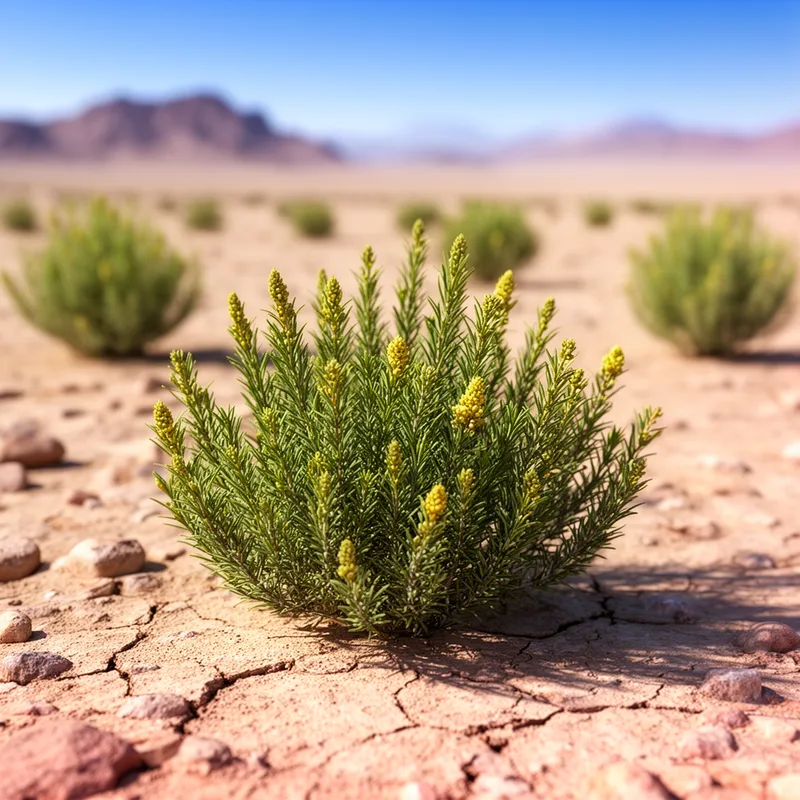
Ephedraceae
- noun
- /ɪˌfɛdrəˈsiːi/
- Specialized
- The Ephedraceae family consists of shrubs known for their medicinal properties.
Examples
-
Many species within Ephedraceae thrive in arid and desert environments.
-
Botanists often debate whether Ephedraceae should be placed within the Gnetaceae family.
-
The Ephedraceae family includes various species of ephedra.
-
Many plants in the Ephedraceae family thrive in arid conditions.
-
The Ephedraceae family is well-known for its shrubs that can survive in dry climates.
-
Some medicinal compounds are derived from plants in the Ephedraceae family.
-
Researchers study the Ephedraceae to learn more about their adaptation to harsh environments.
Synonyms
A group of seed plants with small separate male and female flowers and fleshy or winged seeds
Surface Forms
Morphology
Ephedraceae = Ephedra (semi-transparent) = ephedra + aceae
Formed by the standard botanical family suffix '-aceae' added to the genus name 'Ephedra'; the structure is regular but understanding requires specialized botanical knowledge.
Etymology
Ephedraceae comes from the plant name Ephedra plus the family ending -aceae, which is used for plant families. The name Ephedra uses Greek parts epi- 'upon' and hedra 'seat', a helpful way to remember these low shrubs that seem to 'sit' on the ground. So, Ephedraceae simply means the 'family of plants like Ephedra'.

