
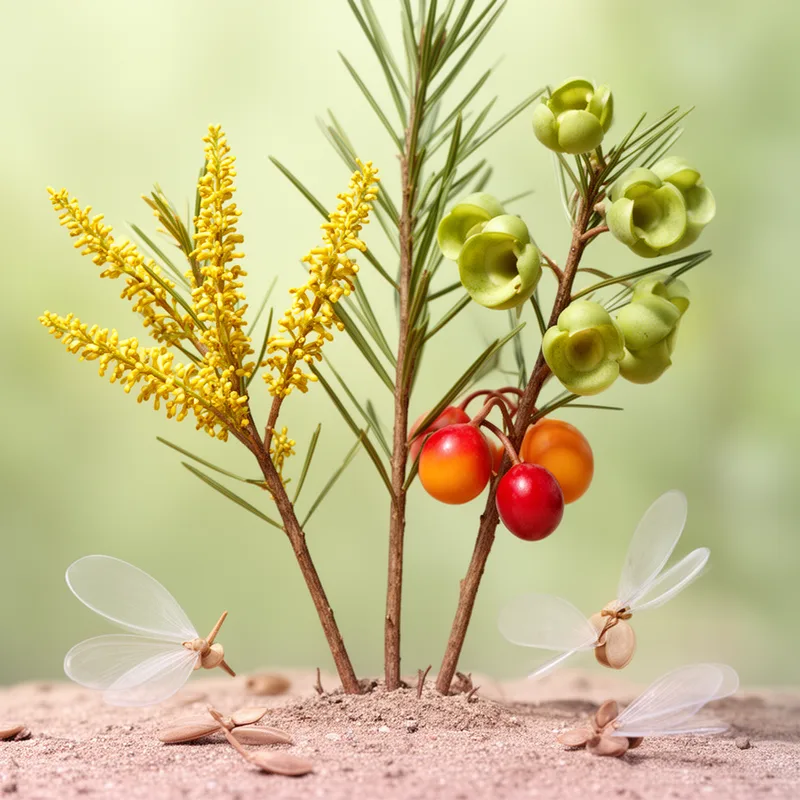
Gnetaceae
- noun
- /ˌdʒɛnəˈteɪʃiˌi/
- Specialized
- The Gnetaceae family includes unique plants with unisexual flowers.
Examples
-
Some scientists classify Welwitschia within the Gnetaceae family due to certain morphological traits.
-
Many botanists study the Gnetaceae for their unusual reproductive structures.
-
Research on Gnetaceae has provided insights into the evolution of flowering plants.
-
The Gnetaceae are unique among gymnosperms for their vessel-bearing wood.
-
Many botanists study the Gnetaceae family to understand their unique reproductive strategies.
-
Plants in the Gnetaceae family, like Welwitschia, thrive in arid environments.
-
The Gnetaceae include species such as Ephedra, which are known for their medicinal uses.
Synonyms
A group of plants that make seeds and have small separate male and female flowers and soft or winged fruits
Compounds
- Specialized
A group of plants that make seeds and have small separate male and female flowers and soft or winged fruits
Surface Forms
Morphology
Gnetaceae = Gnetum (opaque) = Gnetum + aceae
Formed from the botanical genus name 'Gnetum' plus the Latin taxonomic suffix '-aceae' meaning 'family', a specialized formation not obvious to an average B1 learner.
Etymology
Gnetaceae comes from the plant name Gnetum plus the family ending -aceae, the same ending you see in Rosaceae for roses. So Gnetaceae simply means 'the family that includes Gnetum and its relatives', which are seed plants with small male or female flowers and often fleshy or winged fruit.

