
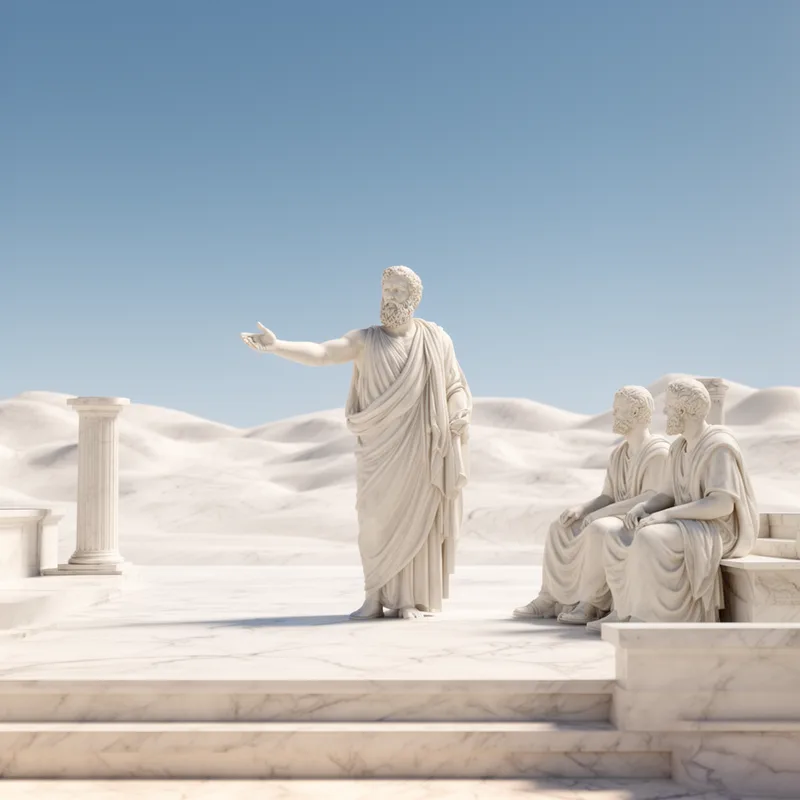
Eleaticism
- noun
- /ˌɛlɪˈætɪsɪzəm/
- Specialized
- The core argument of Eleaticism is the denial of multiplicity and change in the universe.
Examples
-
Plato's dialogues frequently grapple with notions central to Eleaticism, such as the concept of unchanging reality.
-
Many philosophers have critiqued Eleaticism for its rigid views on change.
-
Many ancient philosophers engaged with the principles of Eleaticism in their own enquiries.
-
The concept of Eleaticism focuses on the idea of unchanging reality.
-
Plato's dialogues frequently grapple with notions central to Eleaticism, such as the concept of unchanging reality.
-
Many ancient philosophers engaged with the principles of Eleaticism in their own enquiries.
-
The core argument of Eleaticism is the denial of multiplicity and change in the universe.
Surface Forms
Morphology
Etymology
Eleaticism comes from the Greek town Elea and the ending -ism, which means 'belief' or 'system'. So, Eleaticism means the ideas 'from Elea' and refers to the school that says reality is one and does not change.

