
Eleatic


 1
9.9
- adjective
- /ˌɛlɪˈætɪk/
- Specialized
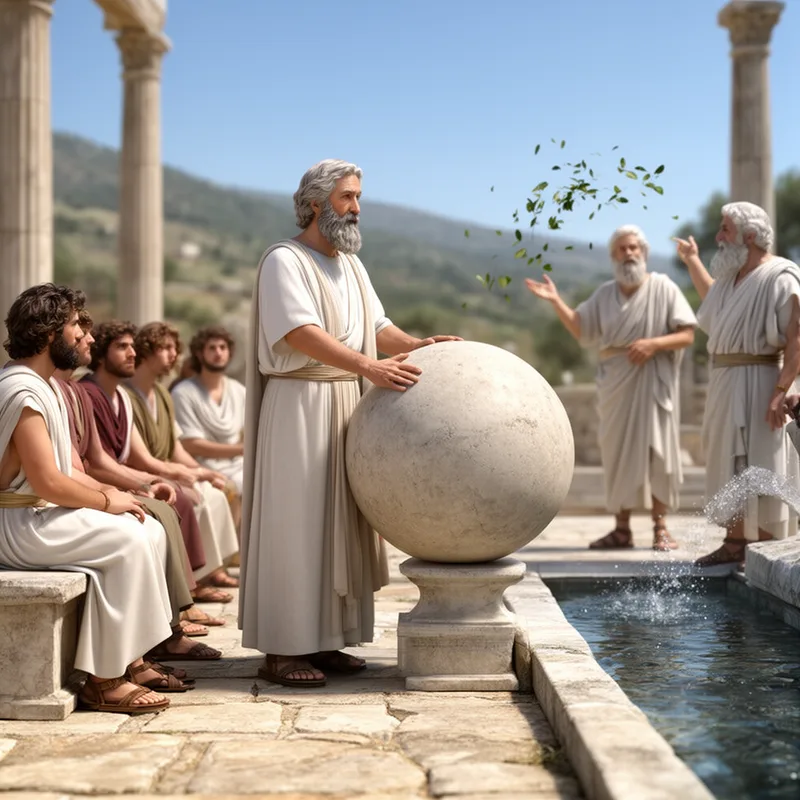
- The Eleatic philosophers argued that change is an illusion.
Examples
-
His theories reflect an Eleatic view, emphasizing the illusion of change.
-
Many ancient debates contrasted Eleatic ideas with those of other Greek thinkers.
-
The Eleatic philosophers argued that true reality is eternal and unchanging.
-
In the Eleatic school of thought, reality is seen as unchanging.
-
The Eleatic philosophy emphasizes that reality remains constant and cannot change over time.
-
Socrates often debated the Eleatic principles of being and non-being in his conversations.
-
Many students find the Eleatic theories challenging because they contradict everyday perceptions of change.
Synonyms
 1
9.9
Relating to ancient Greek thinkers who lived before Socrates
Surface Forms
Morphology
Eleatic = Elea (transparent) = Elea + ic
Regular adjectival formation from the place name 'Elea' using the suffix '-ic', yielding 'relating to Elea'.
Etymology
Eleatic comes from the ancient Greek town Elea and names the group of thinkers there who said true reality is 'unchanging'. So calling an idea Eleatic means it stresses that change is an illusion.