

Eastern Orthodox Church


 1
3.7
1
3.7
- noun
- Sasha was baptized in the Eastern Orthodox Church as part of her family's tradition.
Examples
-
It is also promoted and practiced by Jews, Muslims, and members of the Eastern Orthodox Church (who believe in celibate clerics as well).
Blog text (4) -
As it happens, the best evidence of actual exhumations is from Eastern Europe, where the Eastern Orthodox Church showed a greater tolerance for pagan traditions than the Catholic Church in Western Europe.
Academic text (1990) -
I converted to the Eastern Orthodox Church in 2011, so yes, I am still in a learning process.
Blog text (16) -
Either the present-day Roman Magisterium is true and to be followed, or the Eastern Orthodox Church.
Blog text (4) -
And then that unfortunate disagreement with the Eastern Orthodox Church—
Blog text (16) -
In the terms of this agreement, the Franciscans kept the majority of the parishes and could claim as theirs all the parishes they would build up through missionary work among Muslims and members of the Eastern Orthodox Church.
Academic text (1990) -
I converted to the Eastern Orthodox Church in 2011, which has deep roots in Byzantine traditions.
-
The leaders of the Eastern Orthodox Church met to discuss their theological stance on various issues.
Synonyms
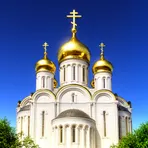 13
3.5
13
3.5
A group of Christian churches that follow old Byzantine worship and traditions
 1
4.6
1
4.6
Christian churches that came from the Byzantine tradition, for example the Eastern Orthodox Church
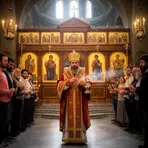
A Christian church also called the Eastern Orthodox Church that follows Byzantine rites
Surface Forms
Morphology
The meaning is directly built from the constituents: 'eastern' (from the east) + 'Orthodox' (denoting the Orthodox/traditional Christian tradition) + 'church' (a Christian body), so a learner who knows these words can infer it refers to the Christian church of the eastern/traditional branch. Cognate forms in many languages and the straightforward locative + denomination structure make the sense accessible to B1 learners.
Etymology
Eastern Orthodox Church: The name comes from where the churches began and what they stand for: Eastern because they grew in the eastern part of the Roman world, and Orthodox meaning 'right belief' or 'correct worship'. So the name describes a family of eastern Christian churches that keep older ways of worship and do not accept the Pope.