
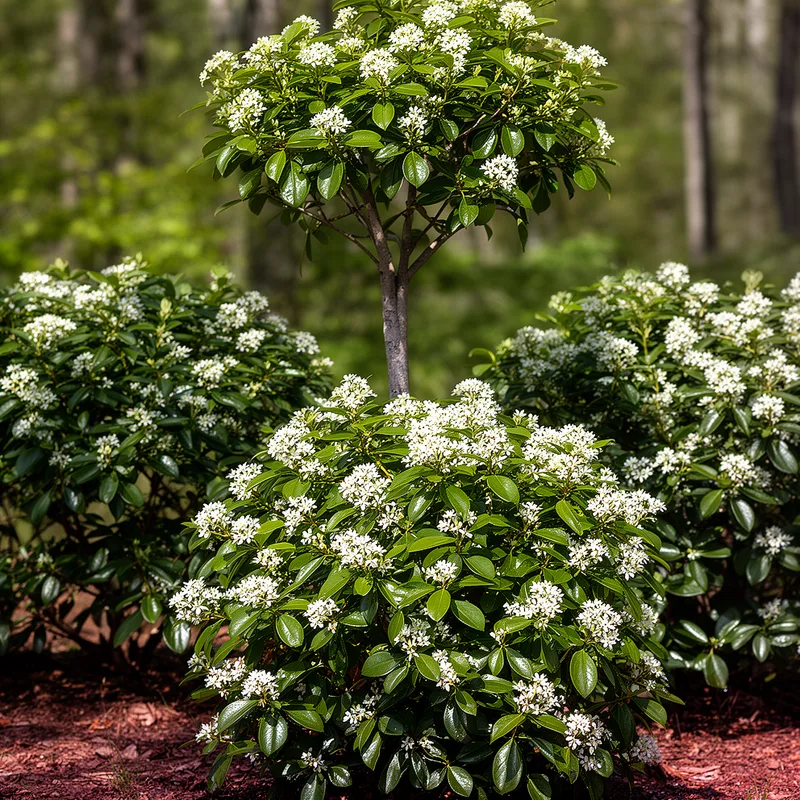
Cyrilliaceae
- noun
- /sɪˌrɪl.iˈeɪ.si.i/
- Specialized
- Members of the Cyrilliaceae often have glossy, leathery leaves and small white flowers.
Examples
-
The Cyrilliaceae family includes several genera, such as Cyrilla and Cliftonia, that are found in tropical regions.
-
The family Cyrilliaceae comprises shrubs and trees native to the Americas.
-
Botanists recently revised the classification of Cyrilliaceae based on new genetic evidence.
-
The Cyrilliaceae family includes several unique species.
-
Many Cyrilliaceae plants thrive in humid environments.
-
Members of the Cyrilliaceae family are known for their leathery leaves and delicate white flowers.
-
Researchers study the Cyrilliaceae to understand their adaptation to various climatic conditions.
Synonyms

A group of related shrubs and trees with thick, tough leaves and small white flowers in clusters

A group of shrubs and trees with leathery leaves and small white flowers
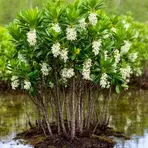
A group of evergreen shrubs and trees with thick leaves and small white flowers
Compounds
- Specialized
A group of related shrubs and trees with thick, tough leaves and small white flowers in clusters
Surface Forms
Morphology
Cyrilliaceae = Cyrilla (opaque) = Cyrilli + aceae
Formed from a genus name plus the Latin botanical suffix '-aceae'; the family-name formation is technical and not derivable by an average B1 learner from the base genus.
Etymology
The word Cyrilliaceae comes from the plant genus Cyrilla, a name formed from the personal name Cyrillus, like 'Cyril', plus the ending -aceae, the standard Latin ending for a plant 'family', as in Rosaceae, the 'rose family'. So, Cyrilliaceae simply means the 'family' of plants related to Cyrilla, which is why it names a group of shrubs and trees.

