

Cyperus
- noun
- /ˈsaɪpərəs/
- Specialized
- The Cyperus plant thrives in wetland areas.
Examples
-
Many Cyperus species, such as papyrus, have historical importance.
-
Botanists identified the plant as a member of the Cyperus genus.
-
The wetland is dominated by Cyperus and other sedge species.
-
Many species of Cyperus are used for ornamental purposes.
-
The garden features beautiful Cyperus plants that thrive in wet conditions.
-
Many species of Cyperus are commonly used in landscaping for their striking foliage.
-
Research shows that Cyperus can improve soil health by stabilizing sediment in wetlands.
Synonyms
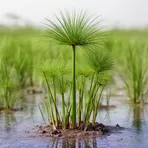
A group of grasslike wetland plants that includes papyrus
Compounds
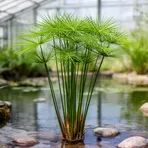
- Specialized
A water plant from Africa with thin grasslike leaves in an umbrella shape at each stem tip
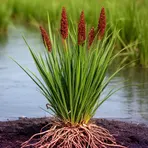
- Specialized
A European grass-like plant with rough leaves, reddish flower spikes, and scented roots

- Specialized
A tall water plant like grass from the Nile whose stems were used to make paper in ancient Egypt

- Specialized
A common weed that has small edible tubers like tiny potatoes underground
Surface Forms
Etymology
Cyperus comes from the Greek word kyperos, which meant 'sedge' or 'rush', a grasslike plant that grows in wet places. A helpful memory is that Cyperus includes papyrus, the plant ancient Egyptians used for writing, so the name now refers to these grasslike wetland plants.

