
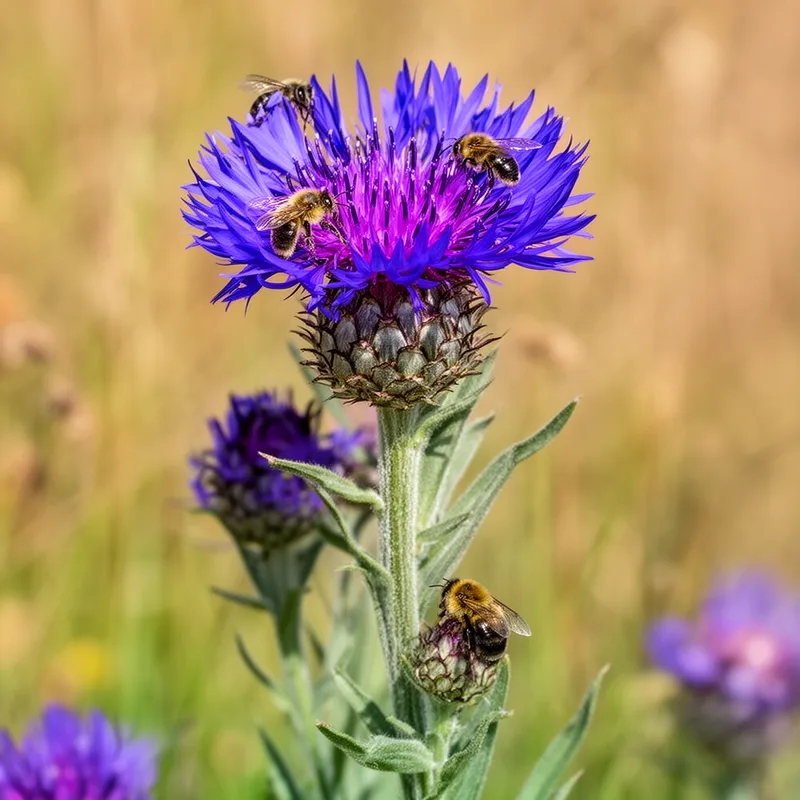
Centaurea
- noun
- /ˌsɛntɔˈriə/
- Specialized
 :
Centaurea
:
Centaurea
- For a stunning wildflower garden, consider planting centaurea along with other native species.
- Centaurea solstitialis
Examples
-
But the scientists—Bill Bruckart, Dale Woods, and Mike Pitcairn—don't want the thistle, Centaurea solstitialis, to flourish.
Academic text (2004) -
The garden was filled with bright flowers, including centaurea, which added a lovely splash of color.
-
Every summer, I look forward to seeing the blue blooms of centaurea in my backyard.
Compounds
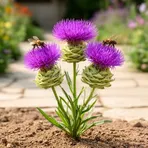
- Specialized
A plant that lives one year with purple flower heads and basket-like leaves below them
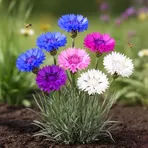
- Specialized
A plant with bright blue, pink, purple, or white flowers often grown in gardens and known as cornflower
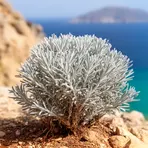
- Specialized
A plant that lives for many years with gray leaves and stems covered in fine hairs from Mediterranean islands
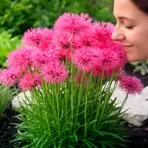
- Specialized
A plant that lives for many years and has rose-pink flowers that smell nice
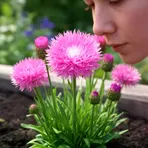
- Specialized
A garden plant often called sweet sultan with sweet-smelling pink flowers
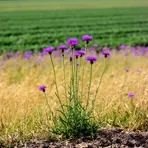
- Specialized
A wild plant with thin stiff stems and purple flower heads that grows in meadows and often spreads into fields

- Specialized
A tall plant from Europe with purple flower heads that lives for several years
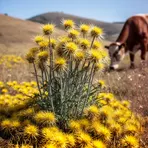
- Specialized
A spiny yellow weed from Europe with sharp flower heads that spreads and harms native plants
Surface Forms
Etymology
The word Centaurea comes from the Greek word kentauros which means 'centaur', the half-man, half-horse creature. One old story says the centaur Chiron used these plants as medicine, so the name Centaurea was given to this group of daisy-like flowering plants and can help you remember them.

