
Canella
- proper noun
- Specialized
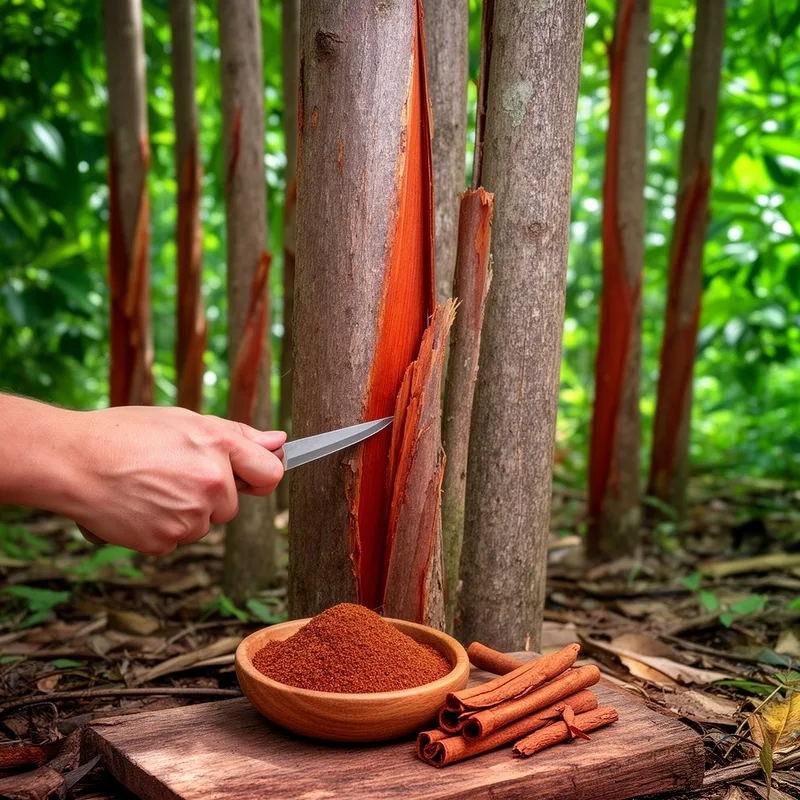
- The bark of Canella is often used in cooking.
Examples
-
The chef used ground Canella as a substitute for cinnamon in the dessert.
-
Botanists study Canella for its unique aromatic properties and potential uses.
-
Canella is native to the Caribbean and valued for its fragrant bark.
-
Have you ever tried Canella as a spice?
-
The Canella tree thrives in tropical climates and is prized for its fragrant qualities.
-
In the kitchen, Canella can add a unique spice flavor to both sweet and savory dishes.
-
Canella is known for its aromatic bark, which is often used as a substitute for cinnamon.
Synonyms

A group of tropical plants with flowers, mainly the plant Canella winterana
Compounds

- Specialized
A spicy, fragrant inner bark from a small tropical tree used as a spice and medicine

- Specialized
A group of fragrant tropical trees with scented bark found in eastern Africa, Florida and the West Indies

- Specialized
A small evergreen tree from the West Indies with white scented bark used as a spice
- Specialized
A group of tropical plants with flowers, mainly the plant Canella winterana
Surface Forms
Etymology
The word Canella comes from the Latin word canella, which means 'little cane' and is related to Spanish canela for 'cinnamon'. So a helpful way to remember it is to think of small 'cinnamon' sticks, because Canella trees have a fragrant bark used like cinnamon.

