
Canella winterana
- noun
- Specialized
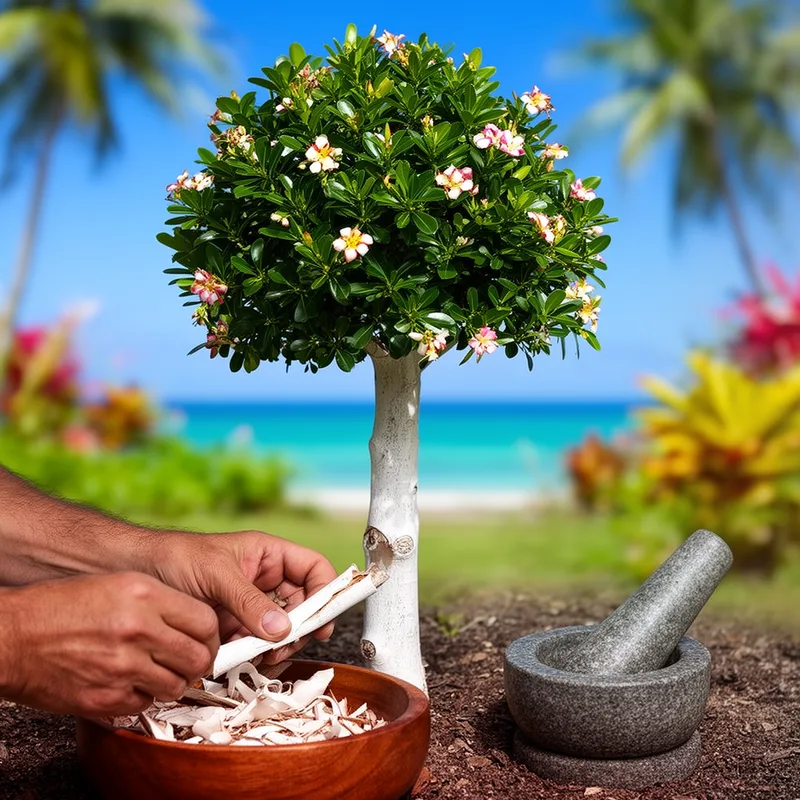
- The bark of Canella winterana is often used as a spice and tonic in traditional medicine.
Examples
-
The fragrant leaves and colorful flowers make Canella winterana a popular ornamental tree in gardens.
-
Canella winterana grows mainly in the tropical regions of the West Indies and southern Florida.
-
The Canella winterana is often found in tropical areas.
-
I saw a beautiful Canella winterana in the botanical garden.
-
Canella winterana is known for its aromatic bark and is commonly used in herbal remedies in the Caribbean.
-
In tropical gardens, Canella winterana adds beauty with its leathery leaves and vibrant purple flowers.
-
Many people enjoy the unique flavor of dishes seasoned with Canella winterana bark, which is similar to cinnamon.
Synonyms

A large evergreen shrub or small tree with white scented bark and purple-red flowers

A large evergreen shrub or small tree with white fragrant bark and small purple to red flowers

A tree or shrub with fragrant bark and leaves used to make scented oils
Surface Forms
Morphology
Canella + winterana
This is a Latin binomial (scientific) name rather than a compositional English phrase; 'Canella' is a genus/proper name and 'winterana' is not an English lexical item, so a B1 learner who knows the constituent forms would not be able to infer the plant meaning. Taxonomic names are essentially lexicalized labels and are therefore opaque without prior exposure or domain knowledge.
Etymology
Canella winterana may get its name from the tree's cinnamon-like bark: early writers used the word canella, like a small cinnamon stick, because the bark smells of cinnamon, and winterana was an old name for this West Indian plant. So the name points to the bark's smell and explains why people call it 'wild cinnamon'.

