
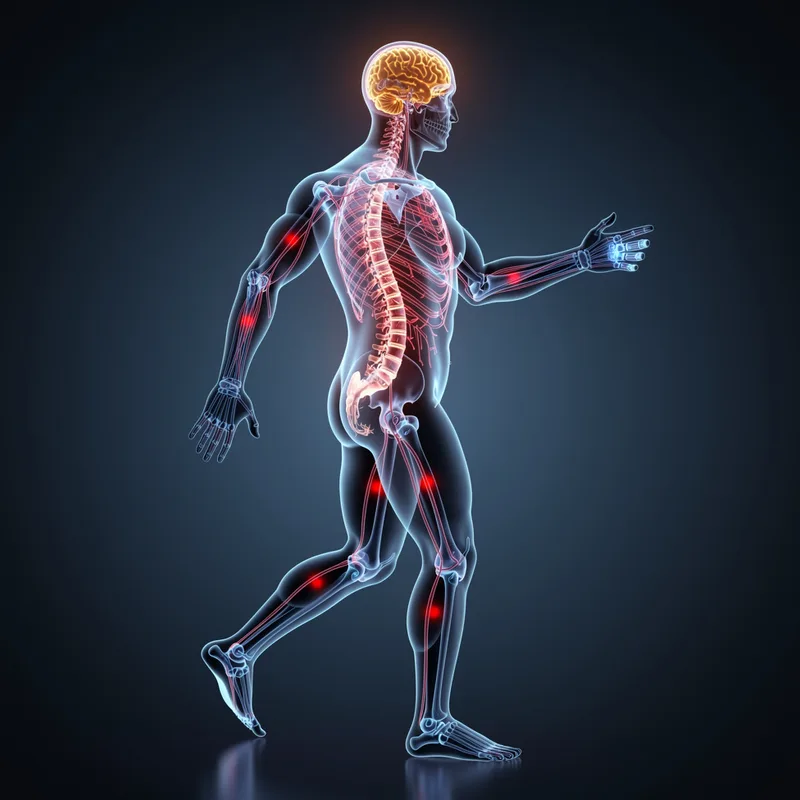
CNS
 5
3.6
5
3.6

- noun
- Specialized
- MPH increases the availability of dopamine by blocking the dopamine transporter in the CNS, reducing symptoms of inattention and hyperactivity.
- Central Nervous System (CNS)
- Nervous System (CNS)
- CNS disease
Examples
-
None of the five patients achieved complete resolution of their CNS involvement, although four patients experienced prolonged survival.
Blog text (17) -
One study noted 29.4% CNS involvement in children diagnosed with NHL.
Academic text (2004) -
The incidence of CNS disease was low in this study.
Academic text (1995) -
Stimulants are central nervous system (CNS) drugs that speed up the physical and mental processes.
Academic text (2007) -
Nonetheless, degeneration of the central nervous system (CNS) has been reported following constant exposure to these agents.
Academic text (2007) -
Bilateral positional nystagmus may represent either CNS disease or a bilateral inner ear disorder.
Academic text (1995) -
Intermediate and high-grade lymphoma classification is a risk factor for CNS involvement in NHL.
Academic text (2004) -
In this study, we chose to classify ischemic vestibulopathy as a CNS disorder because of the potential seriousness of cerebrovascular disease.
Academic text (1995) -
Neuroimaging was suggestive of CNS vasculitis, and her condition stabilized with plasmapheresis, plasma exchange, and concomitant cyclophosphamide therapy.
Academic text (2007) -
The CNS processes signals from the senses and coordinates bodily responses.
Synonyms
 24
3.2
24
3.2
The brain and spinal cord that control the body and mind
The brain and spinal cord that form the body's main nerve center
Surface Forms
Morphology
Etymology
The word CNS stands for central ('in the middle'), nervous ('relating to nerves'), and system ('a group that works together'), so you can picture an 'in-the-middle nerve group' as a memory hook. That's why CNS means the brain and spinal cord, the body's 'control center' that coordinates its actions.