
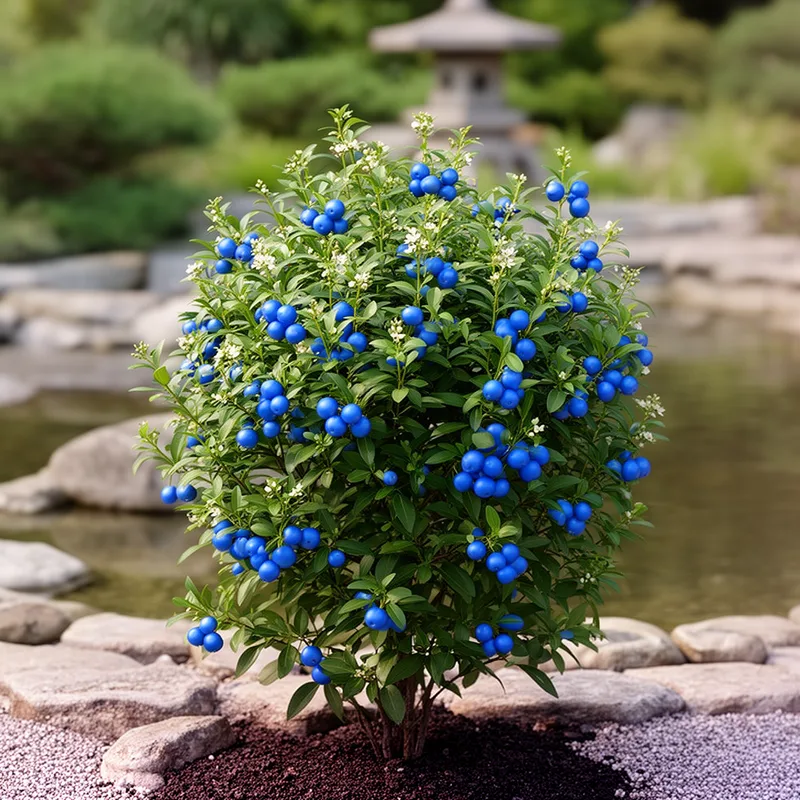
Asiatic sweetleaf
- noun
- The gardener planted an Asiatic sweetleaf near the pond for its striking blue berries.
Examples
-
Many gardeners love the Asiatic sweetleaf for its decorative appeal.
-
The Asiatic sweetleaf is often used in gardens for its unique fruit.
-
Asiatic sweetleaf is highly valued in landscaping for its unusual foliage and colorful berries.
-
In spring, the Asiatic sweetleaf produces small flowers before developing its signature fruit.
-
Asiatic sweetleaf is known for its bright blue fruit, making it a popular choice for ornamental gardens.
-
The vibrant blue berries of the Asiatic sweetleaf attract many birds to the garden each summer.
-
In traditional landscaping, the Asiatic sweetleaf is valued for both its decorative foliage and colorful fruits.
Synonyms

A shrub from eastern Asia that loses its leaves each year and has bright blue fruit

A bush with bright blue fruit grown for gardens
Surface Forms
Morphology
The phrase is a straightforward adjective+noun composition: 'Asiatic' indicates Asian origin and 'sweetleaf' names a plant. A B1 learner who knows both words would readily infer it refers to a (Asian) plant called sweetleaf, even if they might not grasp the precise botanical details like deciduous habit or blue fruit.
Etymology
Asiatic sweetleaf may come from the plant's origin and its leaves: Asiatic means 'from Asia' and sweetleaf describes leaves that people thought were 'sweet' or had a nice smell. So the name helps you remember a shrub with sweet leaves and bright blue fruit.

