
Agave
 4
6.9
4
6.9

- noun
- /əˈɡɑːveɪ/
- Specialized
- Still, the view is spectacular, and Phil pauses to gaze across the valley, now filled with farms, agave plantations, and a large reservoir.
- Agave plants
- fields of agave
Loading YouTube…
Watch on YouTubeAloe for you, agave for you, succulents for you.
- Aloe for you, agave for you, succulents for you.
Examples
-
Many cocktails are made with agave syrup as a natural sweetener alternative.
-
We have many different blue agave and stuff of that nature.
Blog text (2) -
Aloe for you, agave for you, succulents for you.
-
We've got another agave here and here, and then more cuttings.
-
Amid the agave plants, a sophisticated civilization emerges.
Academic text (2006) -
But now some Mexican growers have agreed to restore wild agaves and allow some domesticated ones to flower.
Academic text (1999) -
Steely blue-green agaves, some thrusting up a single shoot laden with capers.
Fiction book (2000) -
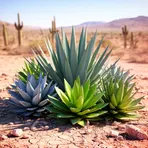
For example, cacti and agaves store water, while sagebrush has tiny leaves and creosote bush has waxy ones to slow transpiration.
Academic text (1995) -
The Guachimontones site is full of fields of blue agave—wicked-looking plants covered in sharp barbs that grow in neat, endless rows—used to make tequila.
Academic text (2006) -
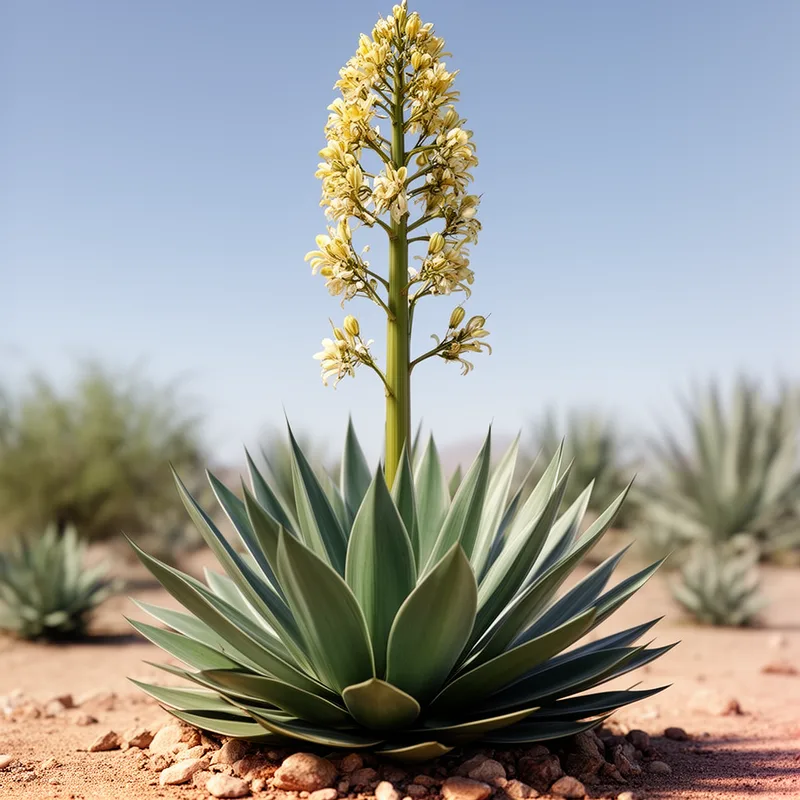
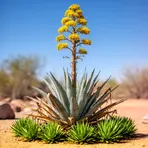
The tall flower spikes of the agave plant bloom beautifully in the desert sun.
Compounds
- Specialized
A large Mexican plant with thick leaves used to make the drinks pulque and mezcal
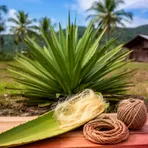
- Specialized
A plant from the Philippines with strong rough fibers used to make rope and twine
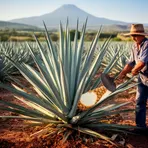

- Specialized
A plant with thick, long leaves that give strong fibers used to make rope
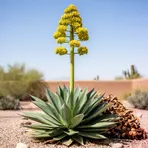
A large plant with thick leaves from the Americas that makes a tall flower stalk and blooms once before dying
Surface Forms
Etymology
Agave comes from the old Greek word agauē, meaning 'noble' or 'great'. People gave the plant this name because its tall flower stalk and thick, strong leaves look grand and impressive, which fits the Agave plants used to make tequila and sisal.