
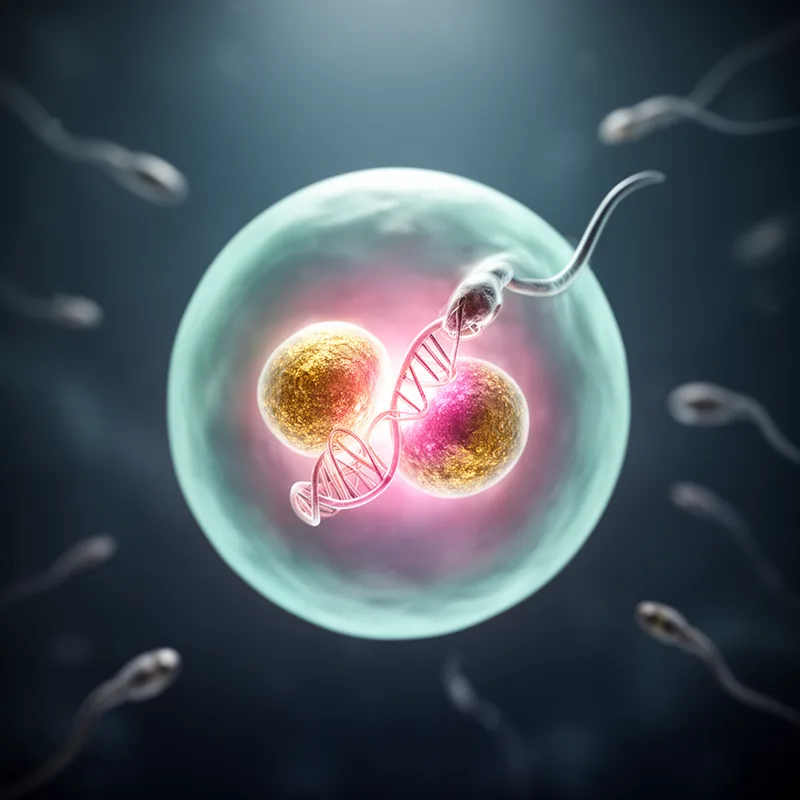
zygotic


 1
9.9
1
9.9
- adjective
- /zaɪˈɡɒtɪk/
- Specialized
- The zygotic genome begins to activate shortly after fertilization, setting the stage for early development.
- zygotic development
- zygotic genome
Loading YouTube…
Watch on YouTubeAnd no one is really sure how sesqui zygotic twins happen.
- And no one is really sure how sesqui zygotic twins happen.
Examples
-
Understanding zygotic development is crucial for insights into embryogenesis and genetic inheritance.
-
And no one is really sure how sesqui zygotic twins happen.
-
OK, so I had signaled that we were going to look at a pre zygotic example.
-
Among these gamete fusion-triggered events, knowledge about how the cell cycle in the egg cell restarts toward zygotic division is limited, although regulation of the cell cycle from a quiescent and arrested state to an active state is the most evident conversion of cell status from egg cell to zygote.
Academic text (2018) -
In addition, expression profiles of cell cycle-related genes in egg cells and zygotes were also investigated to address the possible CSF machinery in plant female gametes and the mechanisms in cell cycle progression during zygotic development.
Academic text (2018) -
Once the sperm and egg combine, a zygotic nucleus is formed, which contains the genetic material for the future organism.
Surface Forms
Morphology
Etymology
Zygotic comes from the Greek root zyg- and the word zygote, which mean 'yoke' or 'join'. Think of two cells being 'joined' together like a yoke, so zygotic means 'relating to the joined cell' or the early stage after cells join.