
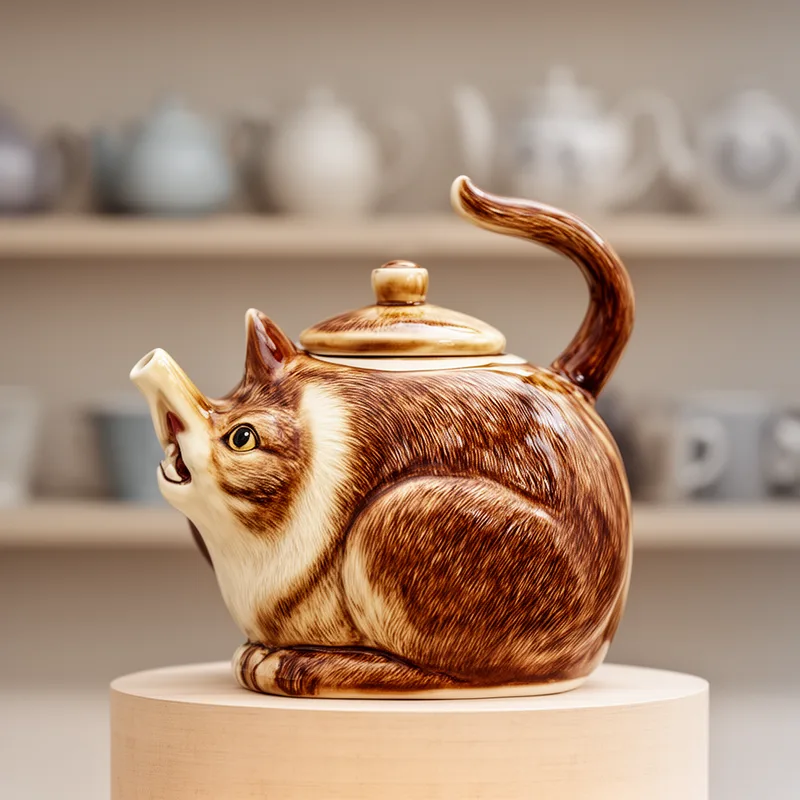
zoomorphic
- adjective
- /zuˈmɔrfɪk/
- Literature
- Witness the zoomorphic vocabulary of Romanesque architectural decoration that so distressed Bernard of Clairvaux.
- zoomorphic sculptures
- zoomorphic images
- zoomorphic figure
Examples
-
Viewers today seek to discover zoomorphic figures in Inka rock patterns, much as they might look for recognizable shapes in clouds.
Academic text (2007) -
The ancient temple featured zoomorphic designs, including carvings of animals that blended seamlessly with its architectural elements.
-
By contrast, anthropomorphic and zoomorphic images proliferated in the secular arts.
Academic text (2002) -
While occasionally zoomorphic forms are found, the most frequently carved shapes are terraces, seats or niches, platforms, and steps.
Academic text (2007) -
Investigations of burial grounds have brought to light anthropomorphic and zoomorphic sculptures in terracotta, both intact and in fragments.
Academic text (2000) -
The third type of nyau mask is a large zoomorphic basketry structure that envelops the entire body of the dancer (Fig. 2).
Academic text (1993) -
In the interpretations of the potters, cowrie shells, snakes, frogs, and other zoomorphic and geometrical patterns placed on pots give form to different elements of the social space inhabited by men, women, ancestors, gods, and animals.
Academic text (2007) -
Artists often use zoomorphic shapes in their sculptures to create dynamic representations of nature.
-
The storyteller described a zoomorphic character that combined human traits with the likeness of a majestic wolf.
Synonyms

 1
8.2
1
8.2

Showing people or animals in art
Showing animals in art in a detailed, lifelike way
Antonyms

How Animal-Like

Surface Forms
Morphology
Etymology
Zoomorphic comes from zoo- meaning 'animal' and -morphic meaning 'shape', and you can remember it by thinking of a zoo (a place for animals). So, something zoomorphic has an animal 'shape' or looks like an animal, especially in art.