

xeric


 1
9.9
1
9.9
- adjective
- /ˈzɪərɪk/
- Specialized
- The xeric landscape was home to many drought-resistant plants, showcasing their resilience.
- xeric ecosystems
- xeric uplands
- xeric sites
Examples
-
Thus, mesic systems are seldom stressed, whereas xeric and hydric systems are water stressed much of the time.
Academic text (2008) -
Based on its ecophysiological attributes, blackgum should do best on low-resource and low-tree-density sites, such as swamps, xeric uplands, and mine spoils.
Academic text (2007) -
Thus, soil water available to the biota may be increased with fewer, larger events in xeric ecosystems.
Academic text (2008) -
The greatest expected distinction in response between mesic and xeric ecosystems may be related to differences in their sensitivity to event size and event frequency.
Academic text (2008) -
Blackgum can grow in bottomlands or at xeric sites, being tolerant of both flooding and drought.
Academic text (2007) -
The area is at a lower elevation that is warmer and more xeric than expected given its latitude, providing an opportunity to understand how a species vulnerable to heat stress persists in a warmer and drier environment.
Academic text (2017) -
Cacti are well-adapted to xeric environments, thriving in areas with very little moisture.
-
Due to its xeric conditions, the desert rarely sees rainfall, making water conservation crucial for survival.
Synonyms
 19
4.0
19
4.0
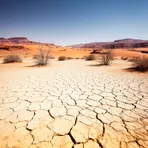
Very dry land or weather with little rain that cannot grow plants
 3
3.4
3
3.4
A place with no water that is very dry like a desert
Antonyms



How Dry

Surface Forms
Morphology
xeric = xer + ic
Although analyzable as 'xer-' + '-ic', the combining form 'xer-' is not a standalone English word and unfamiliar to average learners, so they cannot reliably infer 'dry' from the components.
Etymology
Xeric comes from the Greek root xero- meaning 'dry'. So a xeric place or plant is one that needs very little water.