
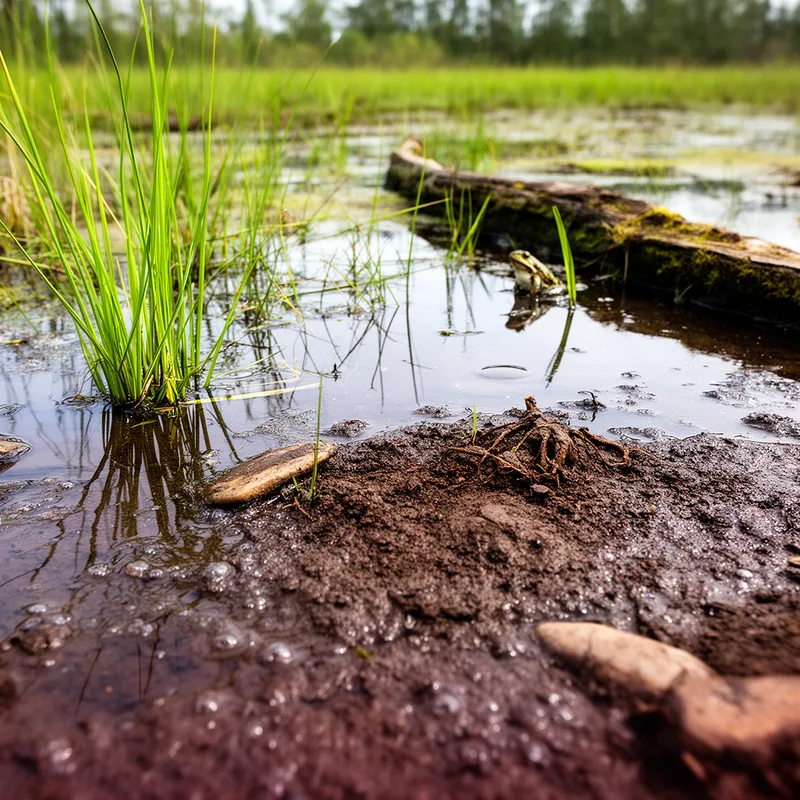
hydric
- adjective
- /ˈhaɪdrɪk/
- Specialized
- Hypothesized responses of mesic, xeric, and hydric ecosystems to extreme rainfall patterns characterized by fewer but larger individual events.
- hydric ecosystems
- hydric soils
- hydric (wetland) habitats
Examples
-
Soil water fluctuations are amplified by more extreme precipitation patterns (right panels) and are predicted to have opposing effects in mesic systems versus xeric and hydric systems.
Academic text (2008) -
The wetland is characterized by hydric soils that retain moisture throughout the year.
-
15% of the energy comes from hydric sources, the "number two" energy source in the country.
Blog text (29) -
Thus, mesic systems are seldom stressed, whereas xeric and hydric systems are water stressed much of the time.
Academic text (2008) -
Of particular interest are hydric (wetland) ecosystems that cover vast areas of Earth, particularly at high latitudes.
Academic text (2008) -
Studies of wetland loss and alteration often compare National Wetland Inventory maps with those of hydric soils.
Academic text (1994) -
Aquatic plants are species that perpetuate their life cycle in still or flowing water, or on inundated or non-inundated hydric soils.
Academic text (1996) -
The total area of hydric soils is assumed to represent the extent of original wetlands, which can then be compared with existing wetlands (Moorhead 1992).
Academic text (1994) -
Hydric (wetland) ecosystems are predicted to experience reduced periods of anoxia in response to prolonged intervals between rainfall events.
Academic text (2008) -
They also determined the presence of hydric soils, gathered hydrological evidence for saturated soils, and integrated findings from field data with results of a map study to determine the boundaries of a wetland.
Academic text (2001)
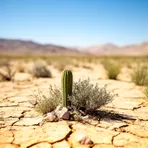
Antonyms




How Wet

Surface Forms
Morphology
hydric = hydro (transparent) = hydr + ic
The adjective is formed by the water-related combining form (hydro-/hydr-) plus the adjectival suffix -ic, so its meaning 'relating to water; wet' is directly derivable for learners who know hydro- or the concept 'water'.
Etymology
The word hydric comes from the Greek root hydr-, the same root in hydrate and hydrant, and it means 'water'. So hydric describes soil or places that are wet or full of water.