
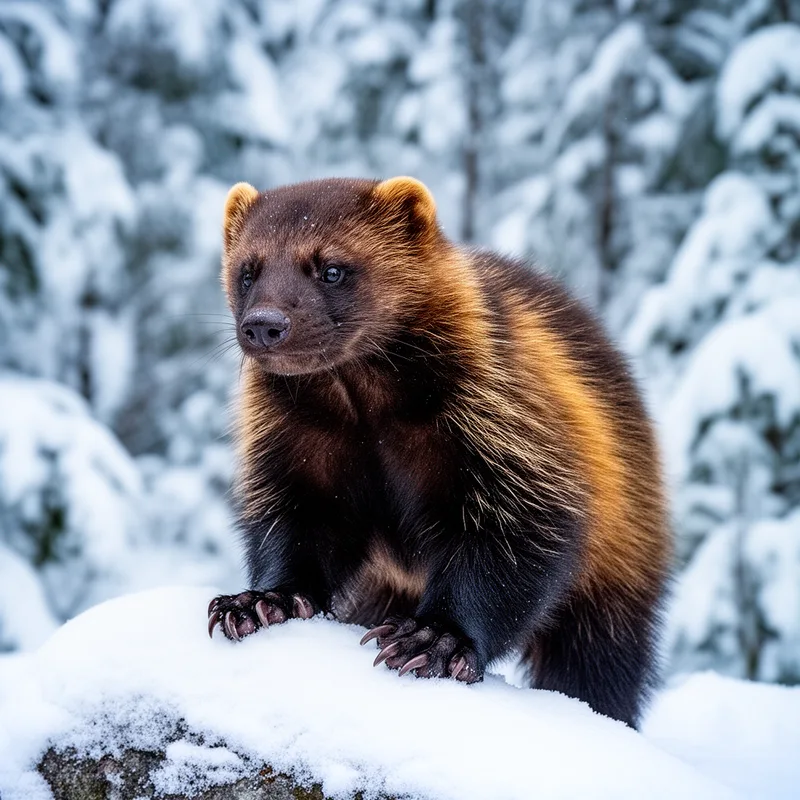
wolverine
 18
7.7
18
7.7

- noun
- /ˈwʊlvəˌrin/
- The researchers observed several wolverines in the wild and documented their hunting behaviors.
- wolves and wolverines
- wolverines and lynxes
- bear and wolverine
Examples
-
The nature show keeps on, and now it's about what a bad-ass a wolverine is, such that not even bears mess with it.
Fiction book (2002) -
"What about this one?" the angel asked, indicating the wolverine head.
Fiction book (1991) -
And... if this was a week ago, I would have attacked you all like a fierce wolverine.
-
Find the pure white wolverine and don't return without it.
Fiction book (1993) -
If they told you wolverines would make good pets, would you believe them?
-
I spent it with my uncle in Alaska hunting wolverines.
-
Just like those nasty wolverines I read about in the National Geographic.
-
What Left Hand did not know was that Shining Agate had made up the story of the pure white wolverine.
Fiction book (1993) -
I've seen you wrestle a wolverine!
-
Bobcats, wolves, wolverines, which are something entirely different.
Synonyms
 1
9.8
1
9.8
A large, strong animal with thick fur that lives in cold northern forests and eats meat
A large strong animal with thick fur called the wolverine that lives in cold northern forests
A stocky North American mammal with shaggy fur that eats meat
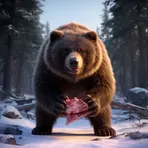
A strong wild animal with thick fur that eats meat and lives in northern forests

A stocky wild animal from North America with thick fur that eats meat, like a wolverine
Compounds

How Fierce

Surface Forms
Morphology
wolverine = wolf (semi-transparent) = wolver + ine
The form suggests 'wolf'-like (suffix '-ine' meaning 'of or like'), but the animal is a distinct species and the name implies likeness rather than identity, so learners may infer relatedness but not the exact meaning.
Etymology
Wolverine comes from an old form of wolf plus the ending -ine, so it originally meant 'wolf-like'. That's why the name fits: this strong, fierce, meat-eating mammal behaves like a small but very powerful wolf.