
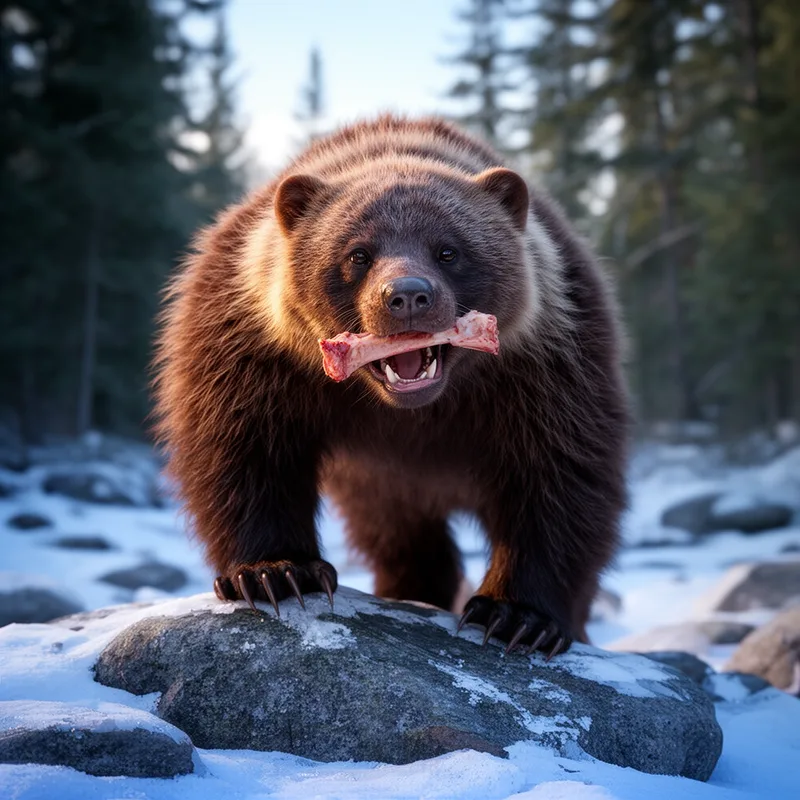
skunk bear
- noun
- /skʌŋk bɛr/
- US
- Many trappers once feared the ferocity of the skunk bear in remote northern forests.
Examples
-
The skunk bear is known for its fierce nature.
-
The elusive skunk bear is rarely seen in the wild due to its secretive nature.
-
The skunk bear is known for its strength, persistence, and powerful jaws.
-
Look at that skunk bear climbing the tree!
-
The skunk bear is known for its strength and ferocity in the wild.
-
While hiking in the forest, we spotted a skunk bear rummaging through the fallen leaves.
-
The skunk bear's thick coat helps it survive the harsh winters of North America.
Synonyms
 18
7.7
18
7.7

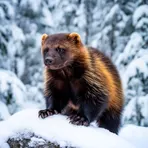
A large, strong mammal like a weasel that eats meat in cold northern forests
 1
9.8
1
9.8
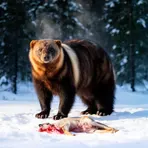
A large, strong animal with thick fur that lives in cold northern forests and eats meat
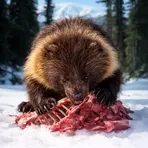
A stocky North American mammal with shaggy fur that eats meat
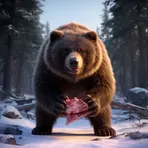
A strong wild animal with thick fur that eats meat and lives in northern forests
How Fierce

Surface Forms
Morphology
Knowing 'skunk' and 'bear' would lead a learner to imagine a bear-like animal that smells like a skunk or a hybrid, not the specific species wolverine. The MWE is a regional/fold name whose referent (a wolverine, a mustelid) is not compositionally predictable from the constituents, so it would not be reliably understood by a B1 learner.
Etymology
Skunk bear may come from its strong smell like a skunk and its thick, bear-like body. So people used that picture to name the fierce animal we now call a 'wolverine'.